PC
Just when I thought 2025 was over in terms of gaming surprises, when a relatively lacklustre year was rolling to a close and the chance of playing anything further which genuinely engaged me was near zero, Spooky Doorway delivered. The Séance of Blake Manor is the sort of game that casually strolls up to a well-worn genre, lights a few candles, and then proceeds to summon onto PC one of the best detective games I’ve played in years. Coming to this title straight after playing one of the worst, I can consider my faith restored.
I say “detective game”, but Blake Manor is more of a folk-horror ritual: an elegantly claustrophobic puzzle box set in 1897 Ireland where every whispered secret, half-open drawer and awkward conversational tic feels meaningful. Back in the 80s, Infocom released a text adventure game called Deadline, where you had a limited amount of time to interview a group of suspects, gather evidence, and arrest a culprit. Four decades on, Blake Manor takes this barebones premise and wraps it in a fiendishly clever story which touches on everything from religion to slavery, but puts two things at its core: the house itself, and a missing woman named Evelyn Deane. You, as private investigator Declan Ward, have been summoned to the estate a couple of days before a séance to find out what happened to her.
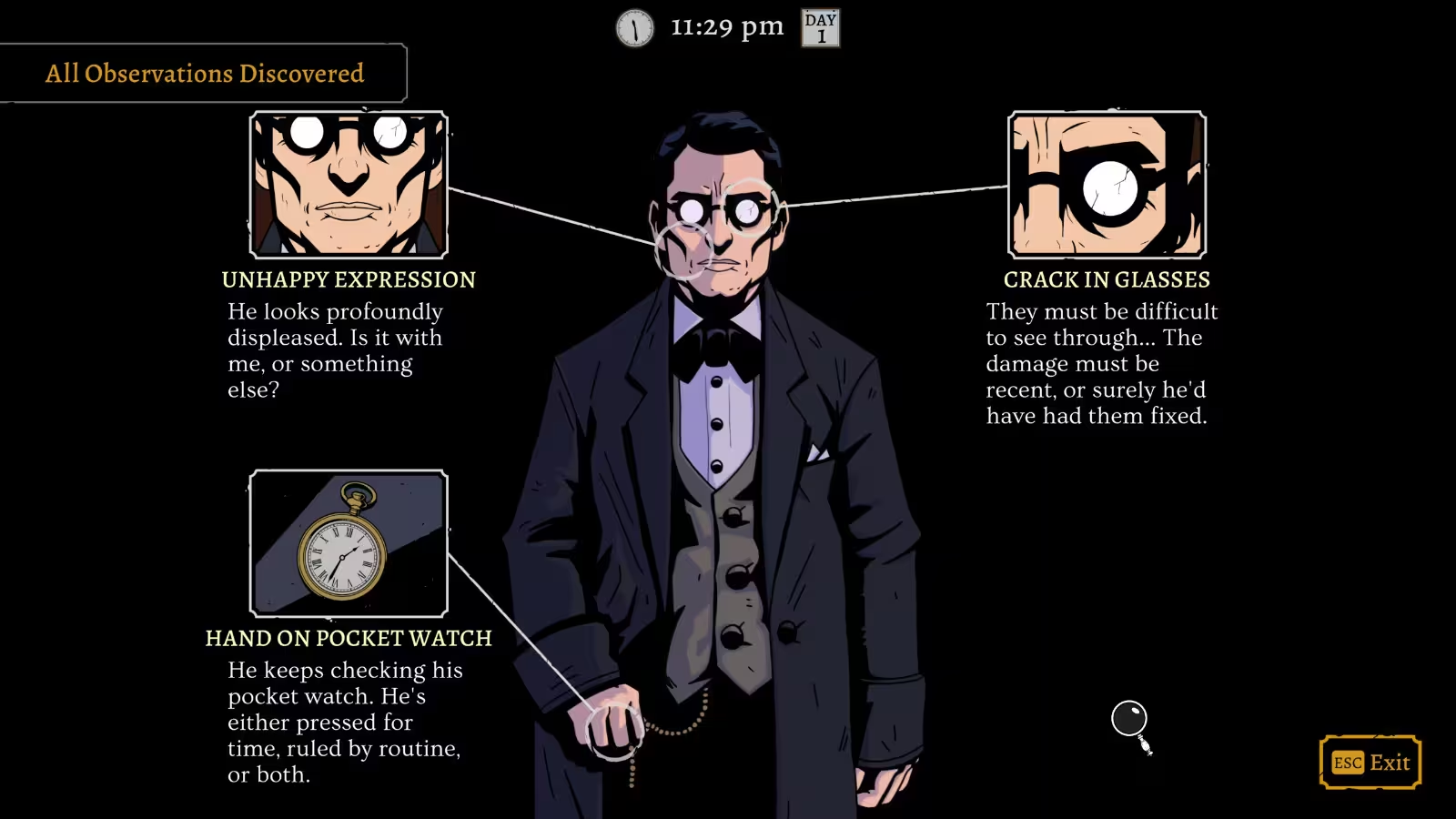
What follows is a triumph of aesthetic and intrigue. There are a couple of dozen residents in the manor from all walks of life: mystics, fraudsters, scientists, and members of different religions, all with distinct personalities and reasons for joining the event. Guests wander the corridors on their own routines over the days leading up to the séance, drifting from parlour to chapel to windswept grounds with a clockwork precision that feels more like a particularly nasty board game than a traditional adventure. Time only moves when you act — examine an item, pry into a room you probably shouldn’t be in, ask a pointed question — and every one of those actions advances the clock by a minute or two. It’s a brilliant sleight of hand: technically you’re never under constant “move or die” pressure, but you always feel a tiny sting when you choose to poke at a painting instead of tailing a suspect, because you know you’ve just spent a chunk of your most precious resource.
Crucially, the time system isn’t just a gimmick; it’s the spine of the whole experience. Guests have their own agendas, arguments and clandestine meetings, and you’ll only catch certain scenes if you’re in the right place at the right time. Miss a hallway confrontation at 11:00am? That thread might have to be unpicked through more indirect means later. Fail to hit specific investigative milestones, and the game is more than happy to boot you out of the manor or barrel ahead to the séance with entire chunks of the mystery unresolved. It captures something most murder mysteries gloss over: you are one person with limited time, and you will not see everything. The fact that the game still holds together when you don’t is a testament to how carefully its web has been spun.
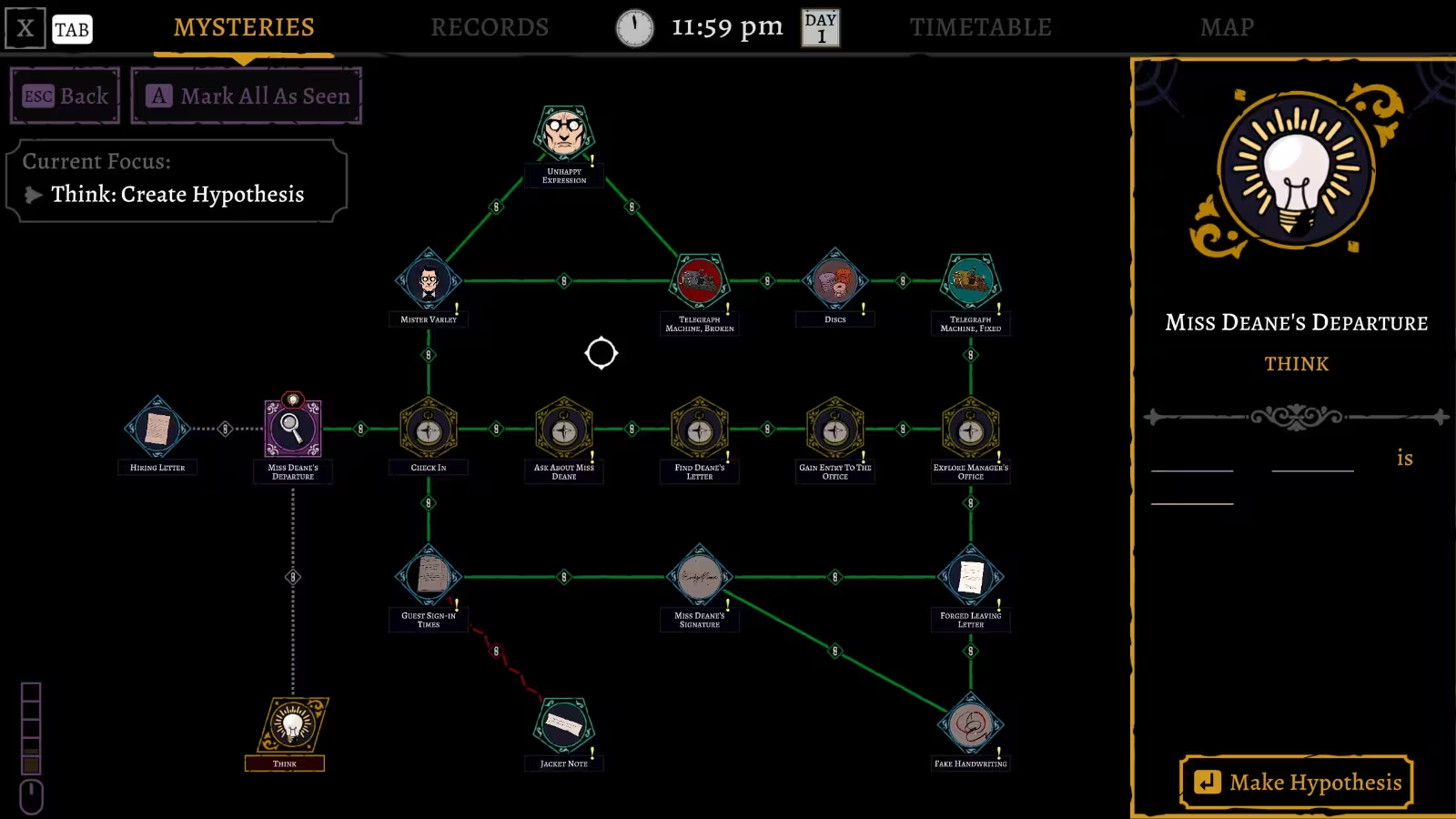
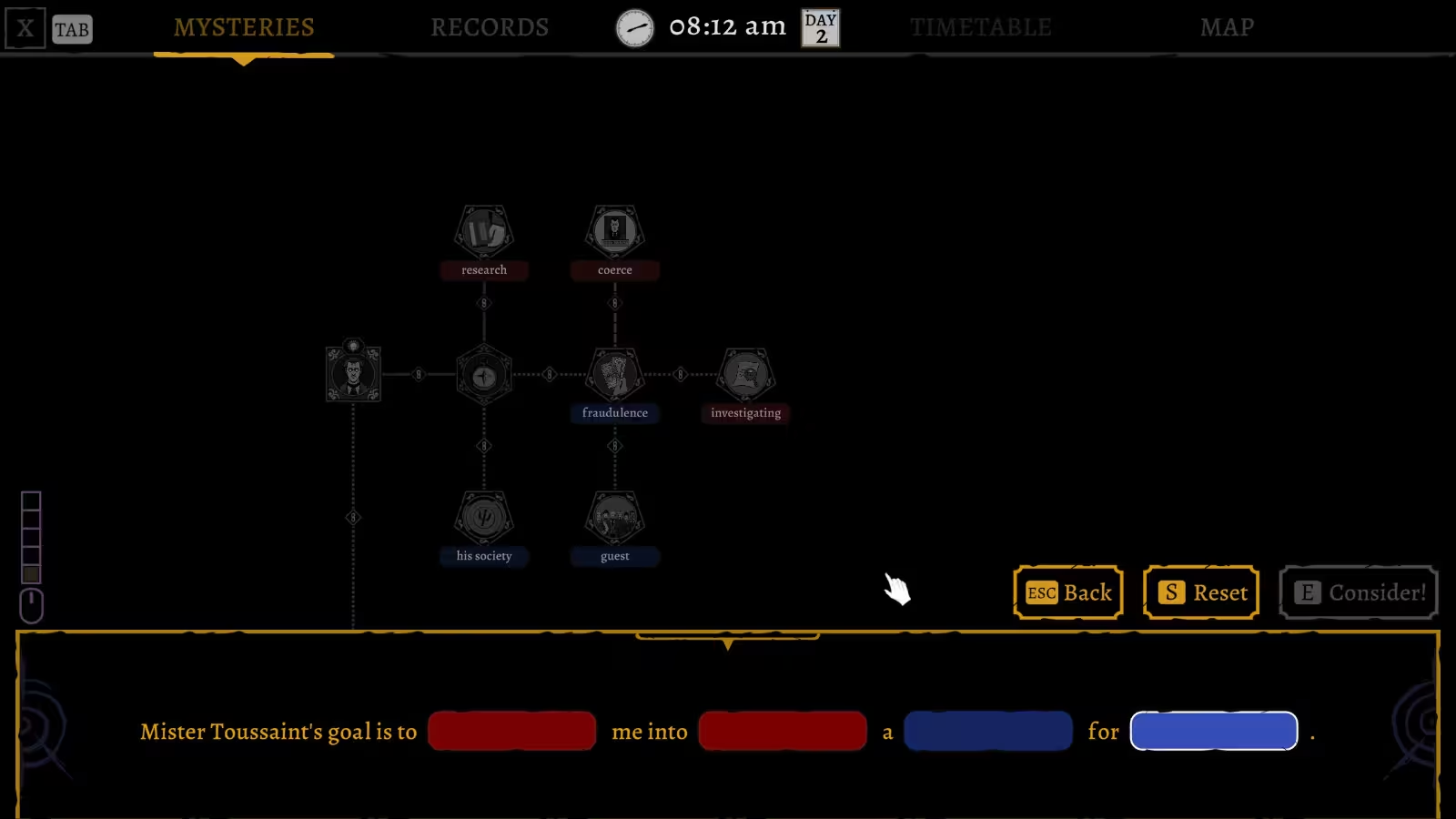
Where a lot of “detective” games quietly do the thinking for you, The Séance of Blake Manor actually lets you feel smart – and, occasionally, gloriously wrong. Evidence and gossip don’t just sit in a checklist; they slot into a sprawling network of notes and connections in Ward’s journal, where you manually link items, people, motives and opportunities into hypotheses. Some deductions are simple blanks to fill – along the lines of “who was in this room at midnight?” – but others require cross‑referencing alibis, recalling where you saw a symbol, or remembering that one off‑hand comment about a shoe size you nearly dismissed. It’s indebted to the likes of Return of the Obra Dinn and Case of the Golden Idol without ever feeling like a knockoff; its puzzles are firmly grounded in its fiction, not abstract logic exercises grafted on top.
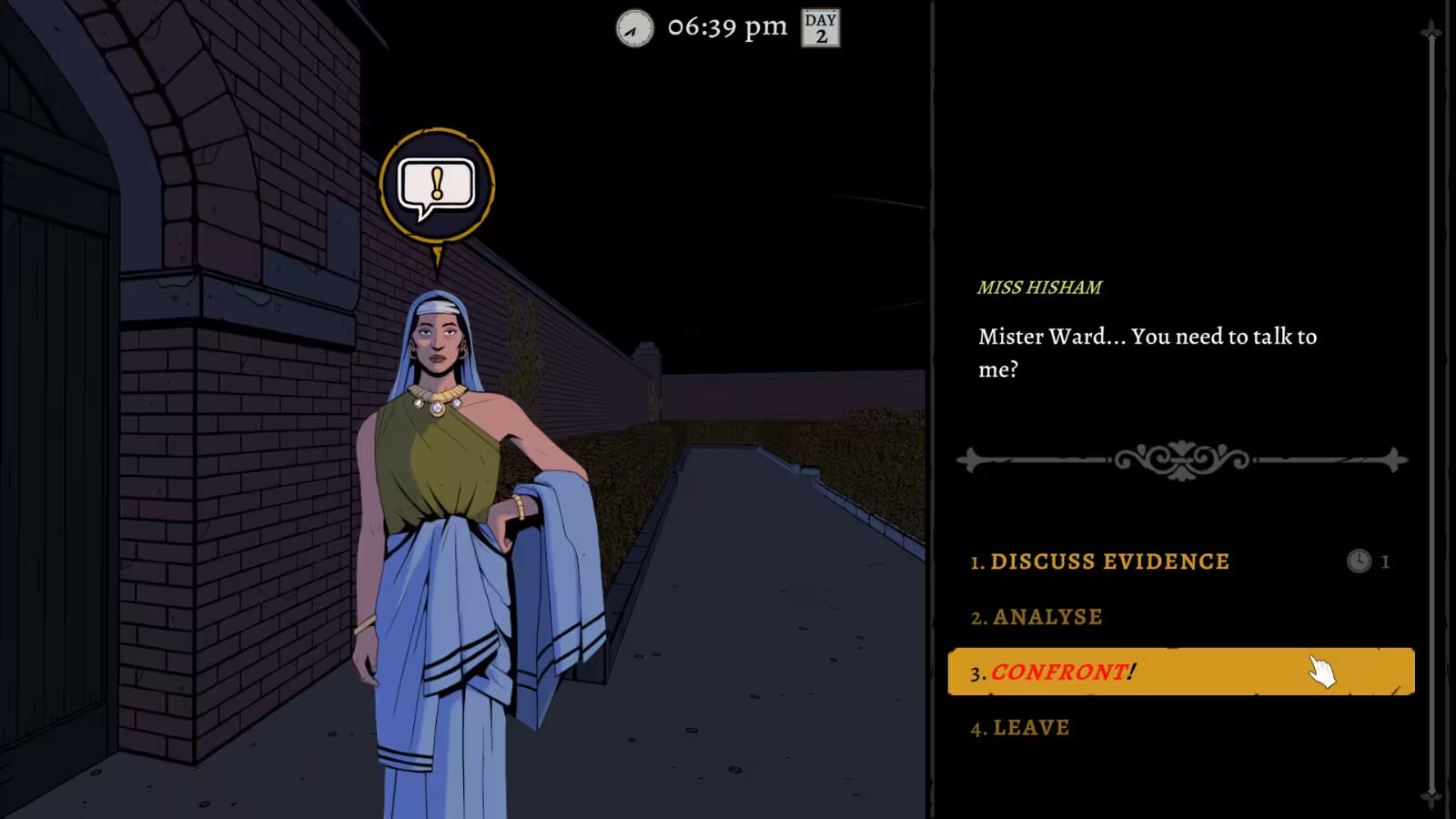
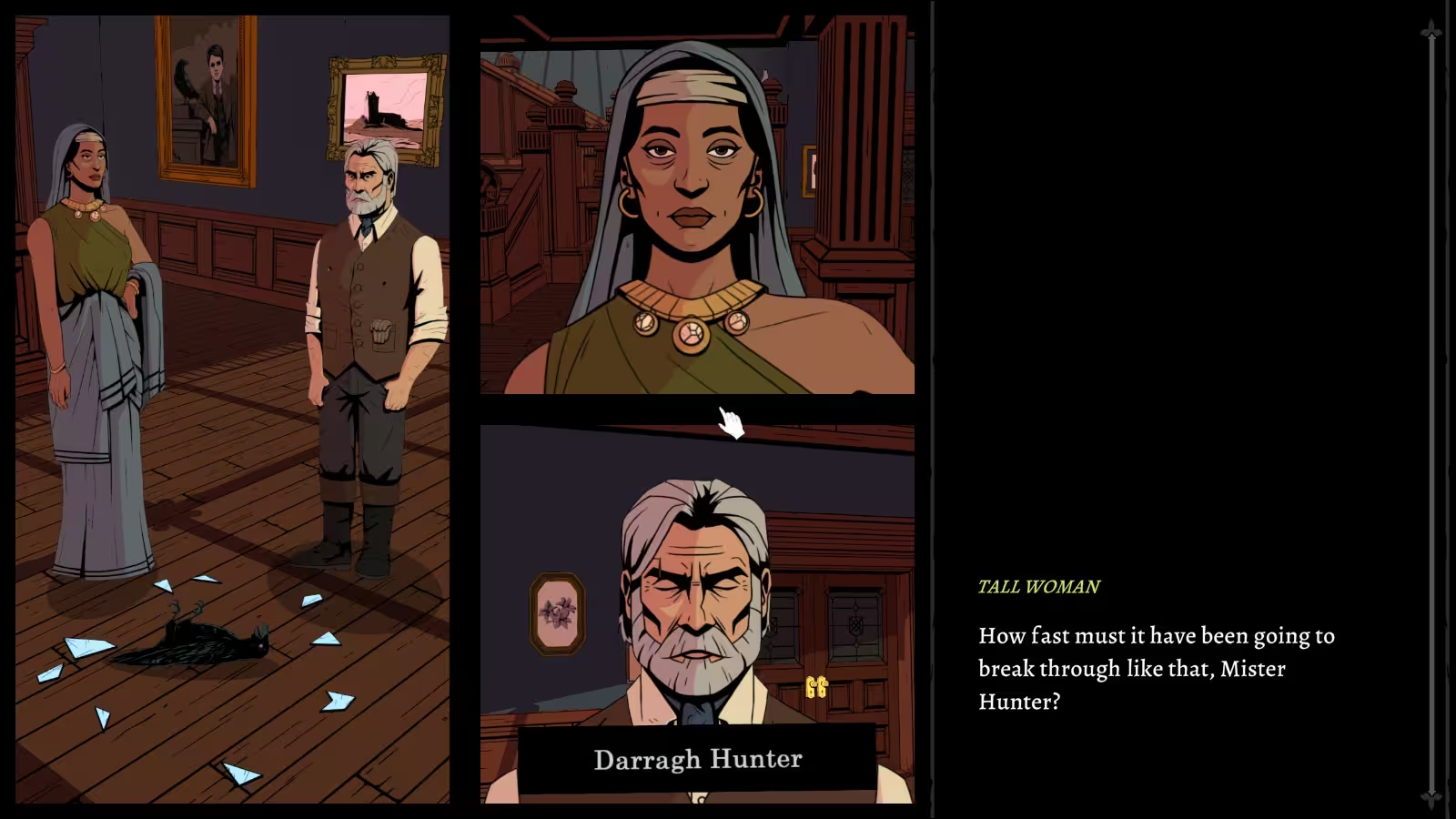
Interrogations are equally satisfying. Every guest or staff member comes with a speciality or quirk – druids, tarot readers, debunkers, priests, spiritualists and straight-up grifters – and their beliefs colour how they respond to your questions and the weirdness around them. Asking a devout Catholic about a sigil has a very different flavour than running it by a mystic who practically shudders with glee at the possibility of genuine spookiness. The writing does a lot of heavy lifting here: characters feel distinct both in how they speak and how they’re voiced, and even the shadier attendees rarely collapse into simple villains. The game isn’t interested in handing you neat moral binaries; it leaves you to sit with the fact that someone can be both sympathetic and absolutely up to no good. The writing rarely indulges in melodrama; instead it’s quietly observant and often darkly funny. Characters feel like people, not puzzle pieces.
Play feels delightfully procedural but humane. You’ll read letters, search rooms, cross-reference notes, map conversations in your journal, and piece together disparate facts into a mindmap that slowly resolves into a theory. The investigation systems are clear and considerate — the UI is clean, the mindmap is genuinely useful and satisfying in the way it highlights and cross-references new leads for you, and conversation tracking prevents the kind of aimless backtracking that kills momentum in lesser mystery games. It’s rewarding in the specific way only good investigation systems are: you feel clever for noticing, not cheated by contrivance.
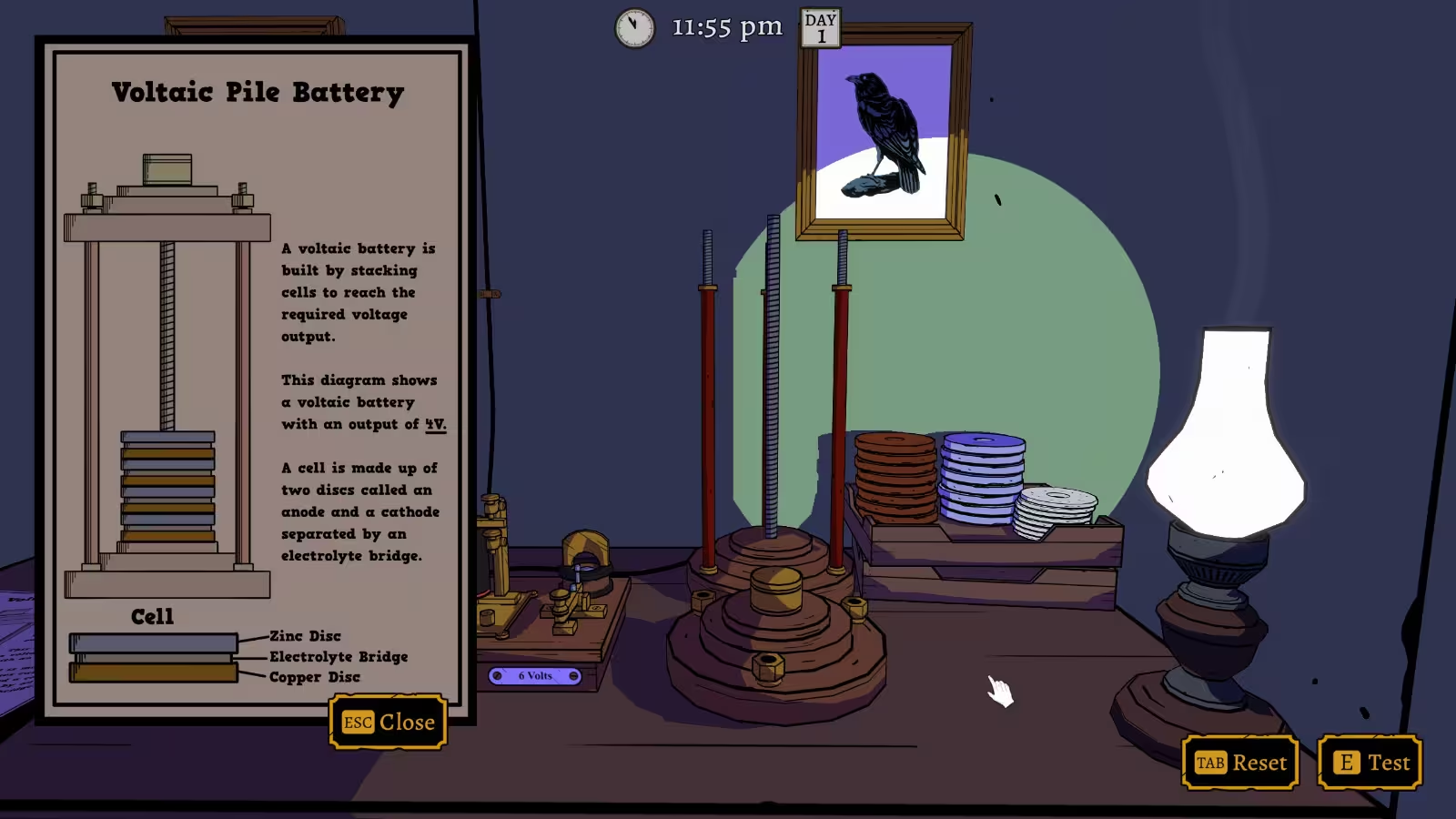
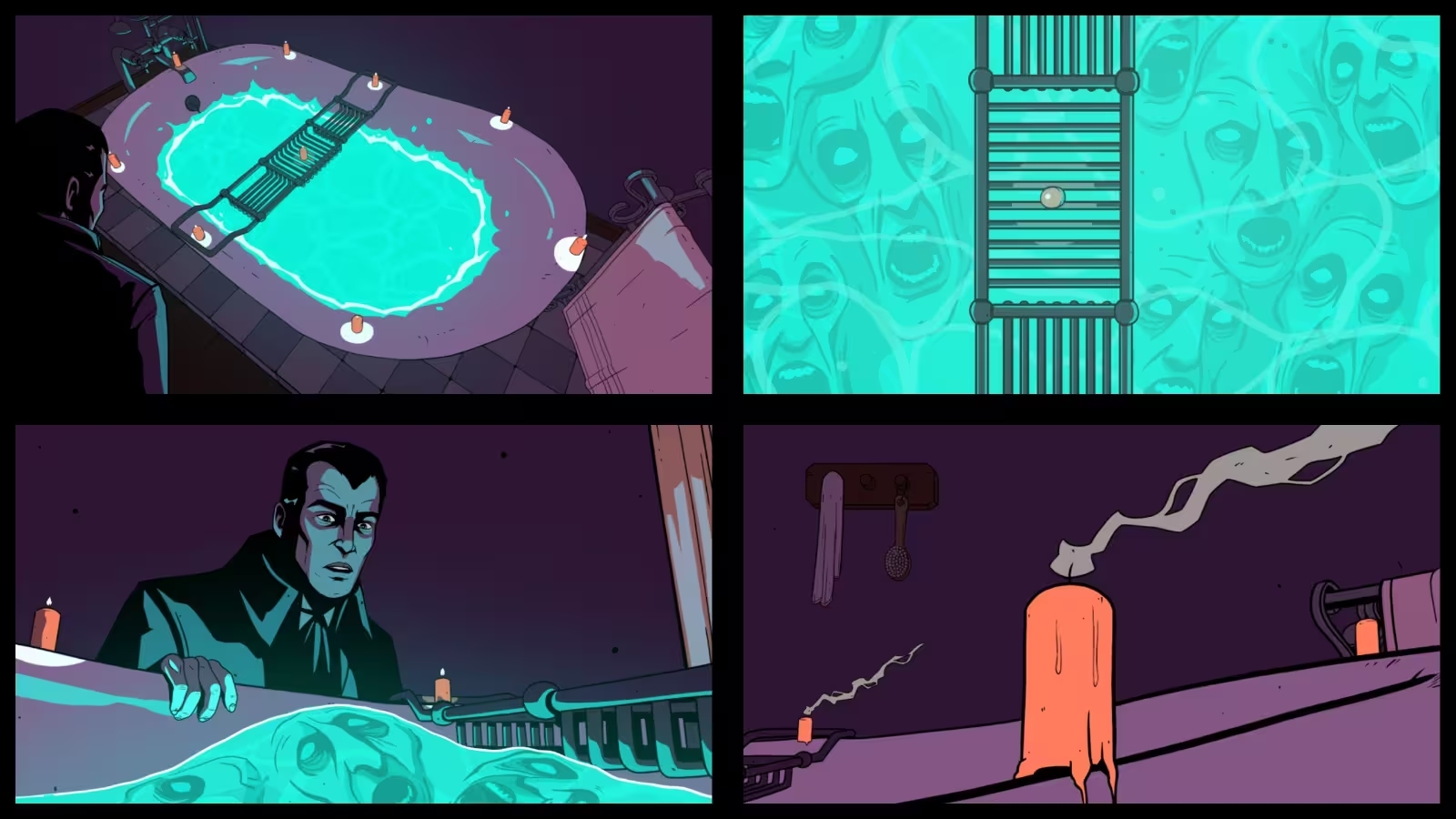
And then there are the supernatural threads, which the game handles with admirable restraint. The ghostly elements are never merely spectacle; they complicate, they question, and they add weight to the human drama rather than replace it. There are moments when objects, rooms, or schedule shifts seem to answer to forces beyond human understanding — and those moments are far more chilling because they arrive in a palette of plausible human behaviour rather than cinematic pizazz. A mirror cracking, a telegraph machine outputting an ominous message, a flutter of a spectre as you turn a corner — each subtle nod to the occult feels oddly fitting within the Victorian-era surroundings.
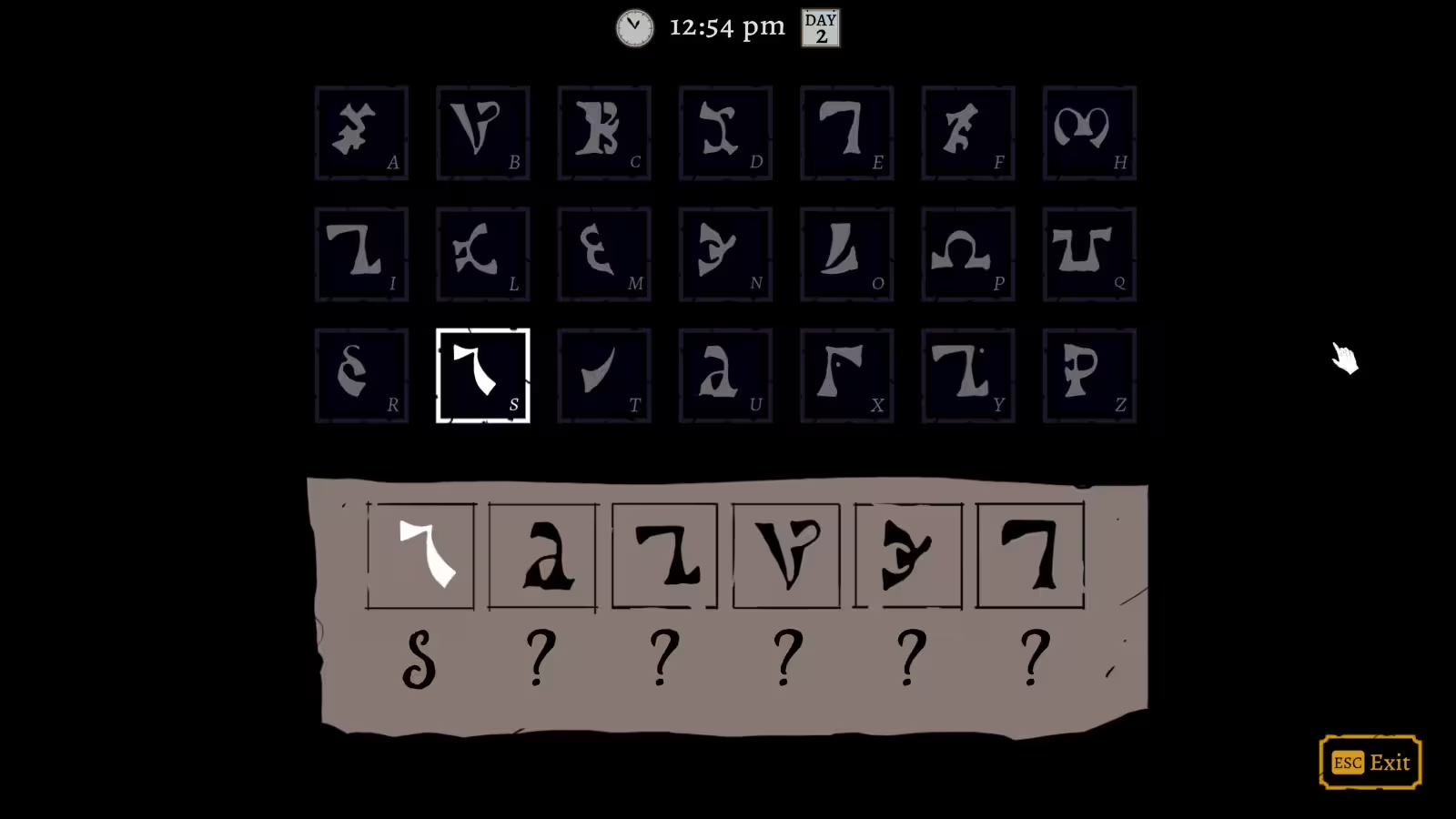
What sets Blake Manor apart from a lot of genteel ghost stories is how confidently it leans into the supernatural without throwing logic out the window. Irish mythology and folklore are woven through everything — restless spirits, family curses, old injustices that never properly died — but the game always insists that your solutions make sense within its rules, even when things get properly weird. You’ll deal with dreams that bleed into reality, hallways that don’t behave, and rituals that might do exactly what they promise, but there’s always a traceable cause-and-effect underpinning the hauntings. It feels closer to an occult-tinged Agatha Christie story than a jump-scare simulator: unsettling, occasionally outright creepy, but more interested in slow dread and implication than loud stingers.
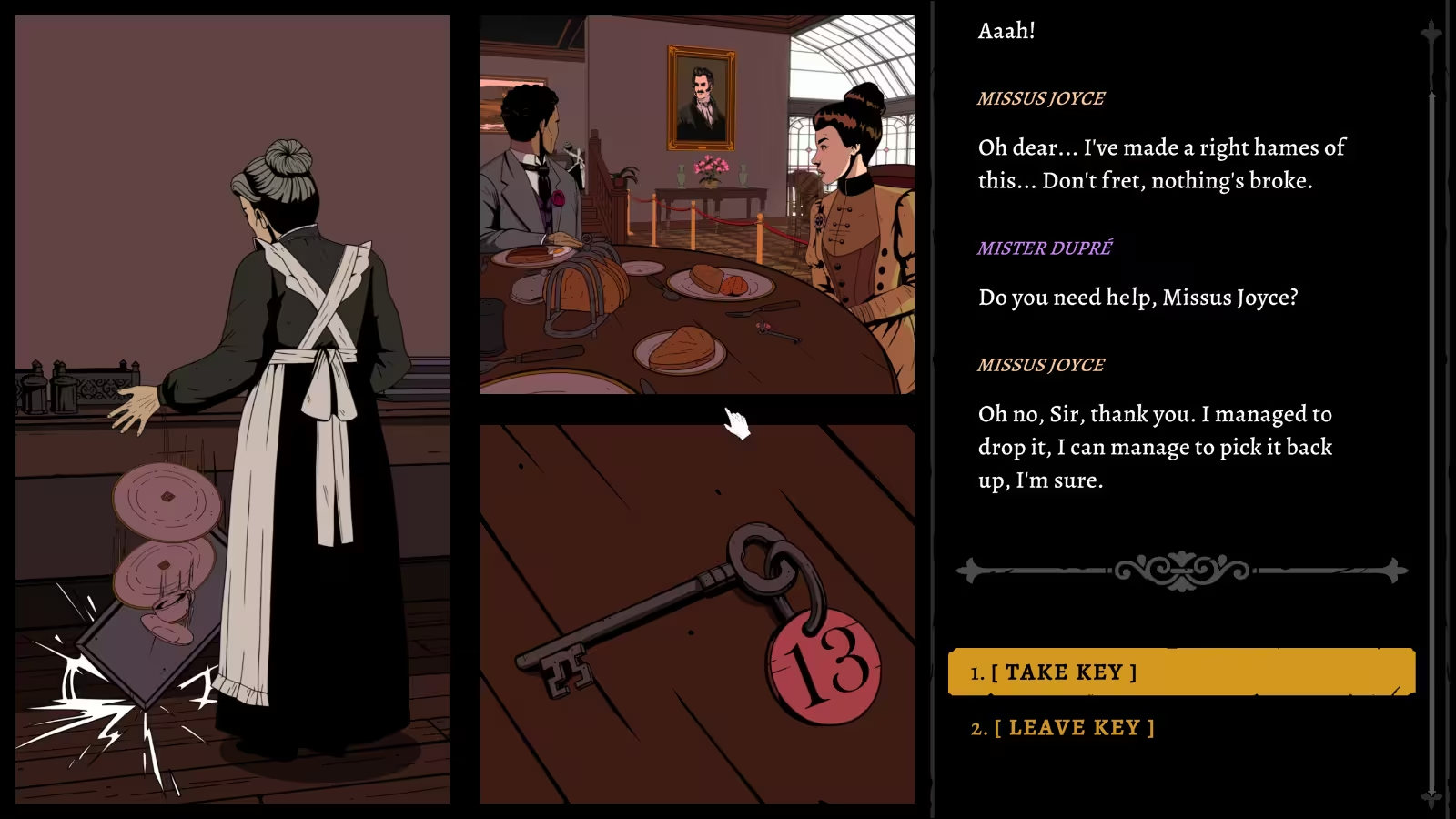
Visually, it’s a gorgeous departure from the chunky pixels of The Darkside Detective team’s earlier work. The game wears a comic-book aesthetic like a skin; panels, inks and stylised character portraits give the whole experience a readable, tactile clarity that keeps the atmosphere vivid without hiding behind photorealism. The manor itself is immaculately staged: rooms feel occupied, personalities leak from possessions, and the place has the lived-in, half-remembered feel of somewhere people stay because they have to, not because they want to. The sound design backs it up with creaking timbers, distant murmurs and the occasional very deliberate silence. I kept getting the feeling the game was listening with me — that’s rare, and it’s brilliant.
It isn’t perfect. The very systems that make The Séance of Blake Manor so engrossing can occasionally trip over themselves. Ask a guest about a topic “out of order” and the illusion cracks a little: someone who has already confessed a secret to you might suddenly act cagey about it when the dialogue tree routes you through another angle first. A few sequences are so dense with possible evidence that it’s easy to burn time chasing threads that fizzle out, only to realise you’ve kneecapped another line of inquiry. If you’re allergic to the idea of replays, the knowledge that you will miss things no matter how thorough you try to be may grate more than it intrigues.
That said, if you’re good at escape rooms and are able to sift verbal wheat from chaff, there’s a fair chance you’ll twig the gamey seams of what not to waste precious minutes on early doors, standing you in good stead for a successful run through. The game’s density is a selling point rather than a flaw here. Different runs can prioritise different guests, hunches and rooms, and there’s real joy in returning to the manor armed with meta‑knowledge, determined to catch scenes you know you just missed because you were one corridor over.
There are a couple of other gripes. Firstly, pacing dips occasionally when you’re waiting for a character to move or a scheduled event to trigger; the scheduling system is brilliant but can occasionally feel like soft gatekeeping. Secondly, a late-game sequence ramps up the pressure in a way that might frustrate players who prefer steady deduction over forced urgency. Neither undermines the experience, but both are worth flagging for players who hate feeling rushed.
They matter not, overall. The Séance of Blake Manor is the rare detective game that makes time itself feel like a clue, not just a constraint. It’s richly written, mechanically confident, and steeped in enough folklore and personality to make Blake Manor feel like a place you could draw from memory after the credits roll. A handful of quirks in its structure stop it short of outright masterpiece status, but this is still a late‑night, lights‑down essential for anyone who likes their mysteries meticulous, their ghosts meaningful, and their notebooks absolutely crammed.
You can subscribe to Jump Chat Roll on your favourite podcast players including:
Let us know in the comments if you enjoyed this podcast, and if there are any topics you'd like to hear us tackle in future episodes!