PC
Video games are stressful. There are plenty of casual experiences to choose from, but if you picked 10 titles out at random, odds are the majority wouldn’t be something you would want to boot up after work. Certain genres, of course, are more demanding than others. RPGs, shooters and strategy games all require more mental energy than whatever my editor has been enjoying recently. City builders in particular are some of the worst offenders. Most take dozens of hours before their systems properly open up, let alone reach mastery.
Life Below is one of the rare examples in that genre that isn’t overtly punishing. Although its DNA isn’t much different from Cities: Skylines or Civilization, the experience is, even during its most difficult moments, relaxed. The game lacks the depth and nuance of the genre’s heavy hitters, but compensates with gorgeous audiovisual design and a poignant narrative.
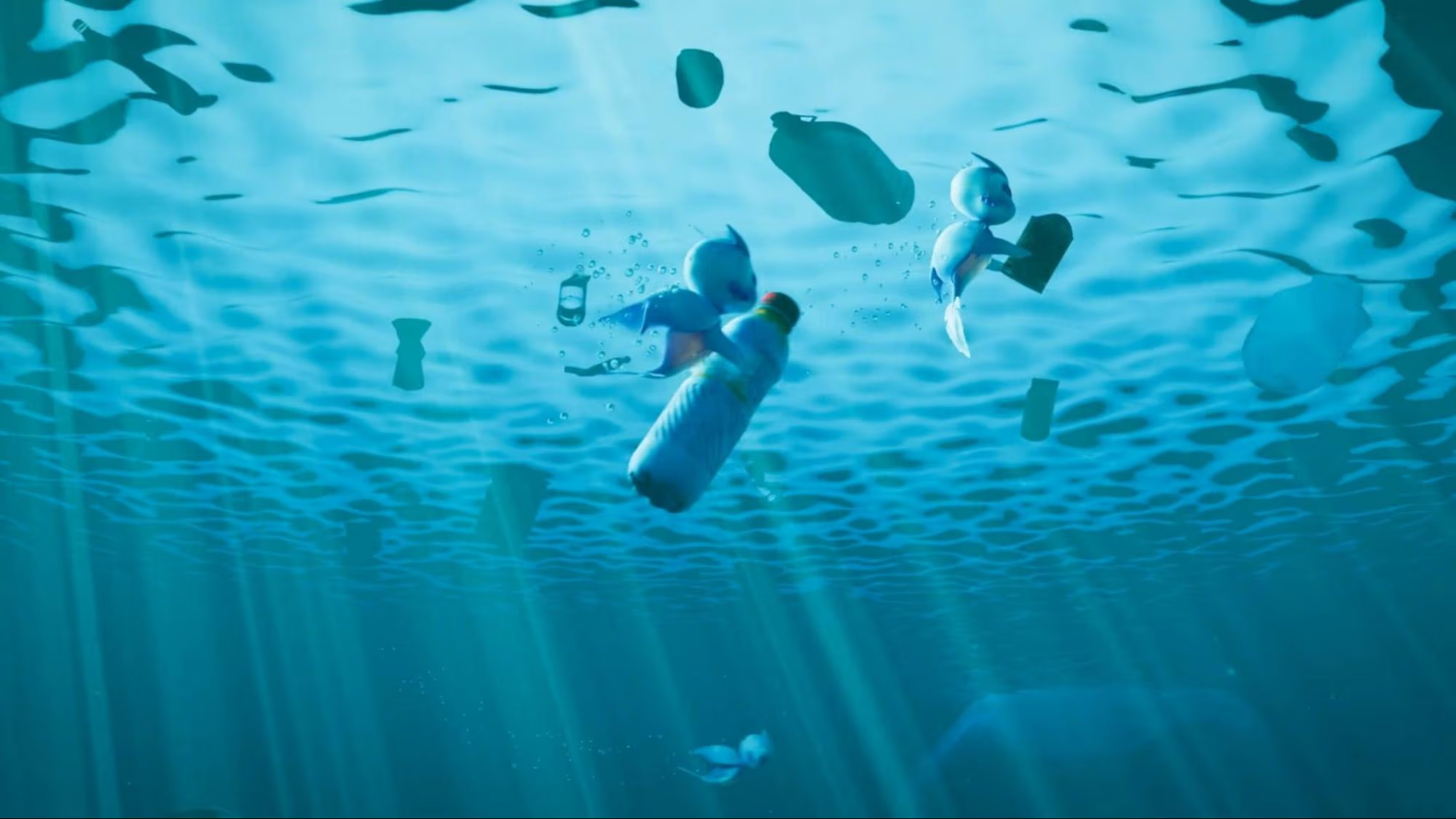
If you’ve played any city builder in the past few decades, then you already have a pretty good idea of what Life Below is about. Instead of building a city/colony/civilisation, you’re tasked with making a habitat for the various wildlife that’s in Earth's ocean. In practice, this means you’ll be doing the same sorts of things that you always do in this sort of game. You have to extract resources from your map, process them, and then turn them into structures for your no-legged denizens to keep everyone fed and happy. There’s a technology tree to progress through, and ways to expand the reach of your corral colony.
Life Below’s greatest strength is how little it asks of you. There’s no political system to manage, nor hostile groups of fish that’ll declare war on yours. Instead you spend most of your time expanding habitats, fast-forwarding through quiet stretches, and occasionally responding to a man-made disaster or zoning issue. You don’t have to perpetually keep your eyes glued to your screen, though. You can zone out for long stretches, and the game will rarely punish you for it unless you’re playing on the highest difficulty setting.
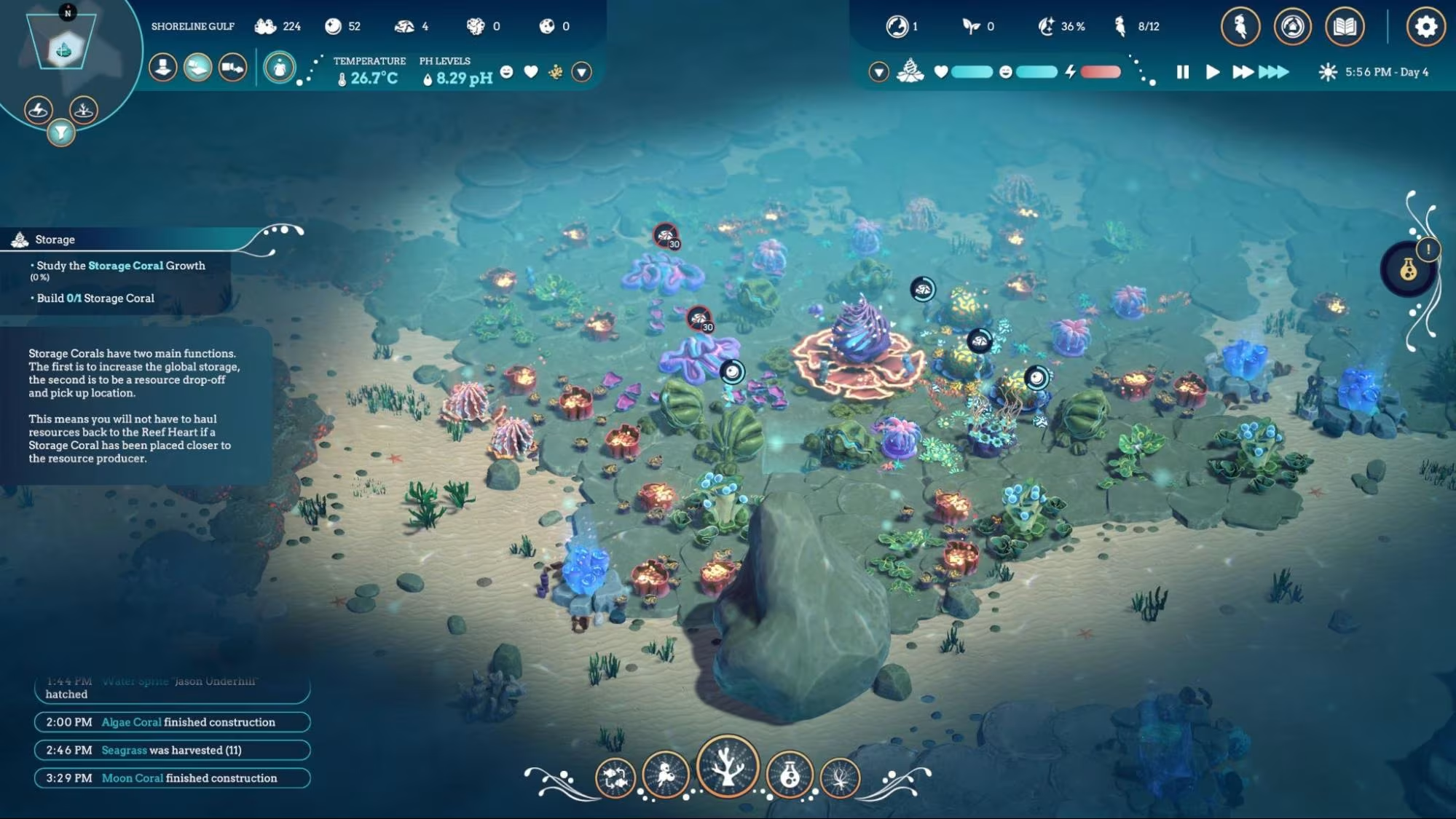
Life Below never fully explores the complexity of the ecosystems it’s built around. That’s a compromise that ultimately works in the game’s favour. The game doesn’t drain your brain, and it leaves you the mental energy to appreciate everything else it has on offer. Namely, the title’s fantastic visuals and music. They’re both genuinely calming in a way few games manage. Life Below’s audiovisual design accurately recreates life beneath the waves while simultaneously helping you unwind.
The same can’t exactly be said for the game’s narrative. There is, in fact, a story here. Although it does involve sentient fish, it’s a grounded affair about how humans are destroying Earth’s waterways. The game isn’t subtle about its message, but it works because it refuses to soften the consequences of human impact on the oceans. That isn’t fun to think about, but it's rarely fun to contemplate death and destruction.
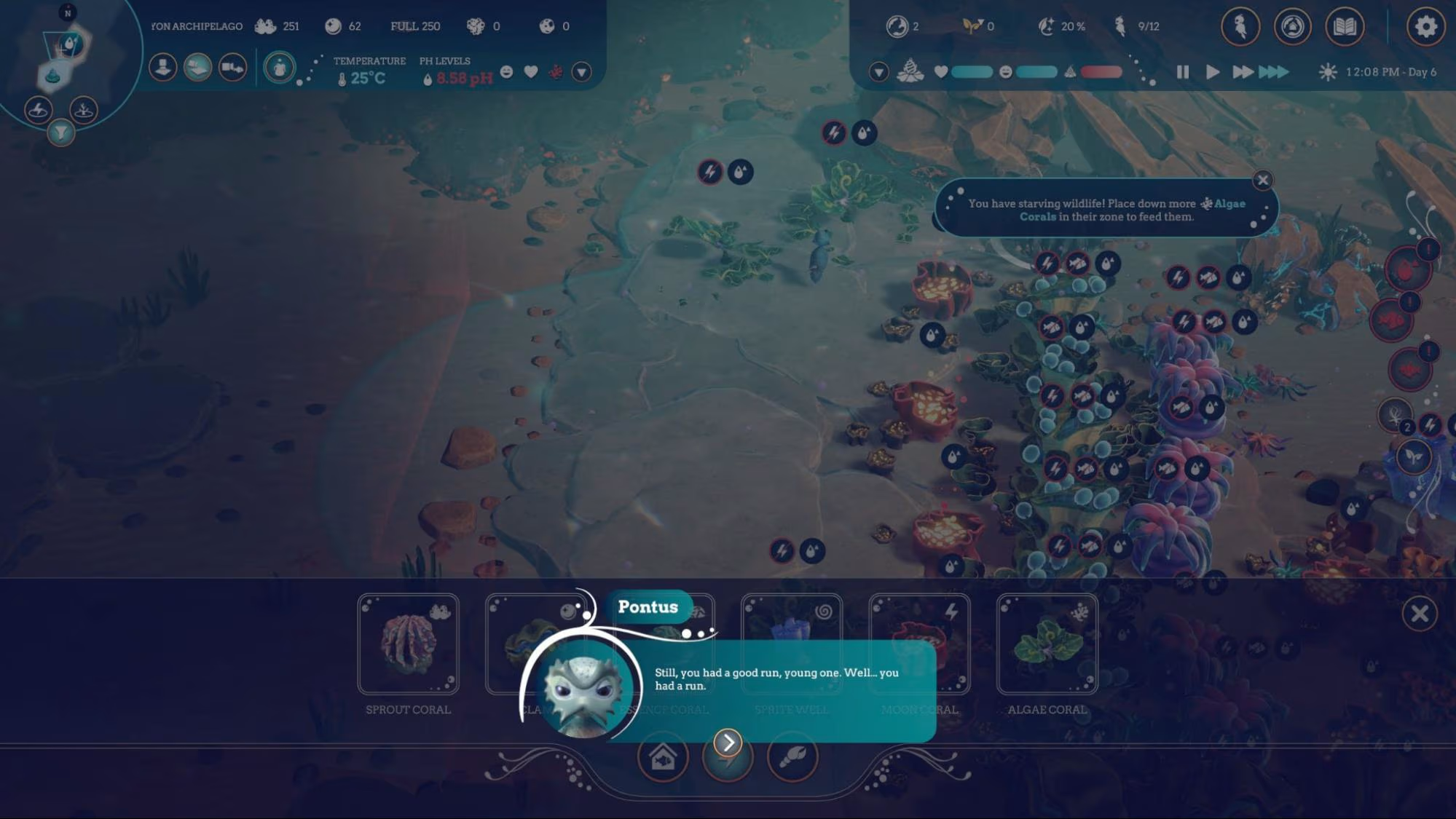
If your favourite part of a city builder is squeezing every ounce of efficiency out of a production chain, Life Below probably isn't for you. Complexity takes a back seat here, leaving plenty of room for the game’s visuals, music and story to shine.
And they really, really do. Life Below is less concerned with testing your strategic abilities than it is with creating a mood. Its best moments come when you’re expanding your gorgeous reef, listening to the soundtrack, and watching an ecosystem flourish despite the damage humanity keeps inflicting upon it. Those moments happen frequently, and it’s one of the only games on the market that simultaneously helps you relax while also giving you a sense of existential dread.
You can subscribe to Jump Chat Roll on your favourite podcast players including:
Let us know in the comments if you enjoyed this podcast, and if there are any topics you'd like to hear us tackle in future episodes!