
For the vast majority of people, gaming is a hobby. There are a few thousand journalists and content creators who pay their bills by playing video games, and hundreds of thousands of developers. Their work is enjoyed by hundreds of millions of players. The world is a stressful place, and in theory booting up a console, phone or PC is meant to be a way to unwind. In practice, though, a large chunk of modern video games are just as exhausting as clocking in for a second job.
Most people don’t actually hate what they do to pay their bills. Even crummy gigs, like restaurant work or construction, aren’t inherently unenjoyable. It’s the performance reviews, dealing with human resources and unrealistic deadlines that tires out workers. The fact that you have to punch in at least five days a week also doesn’t help improve anyone’s morale, either. And it’s easy to see how all of that parallels video game mechanics. Annual assessments are akin to skill-based matchmaking, with both keeping you on your toes and always stuck with people who are just as skilled as you are but rarely better or worse. Battle Passes are projects with unrealistic deadlines. In-game chats are moderated to the point where you have to censor yourself just as much as you do in a professional environment. And when all of that’s combined, the only difference between gaming and swinging a sledge is which kind of exhaustion you’re dealing with when you’re done.
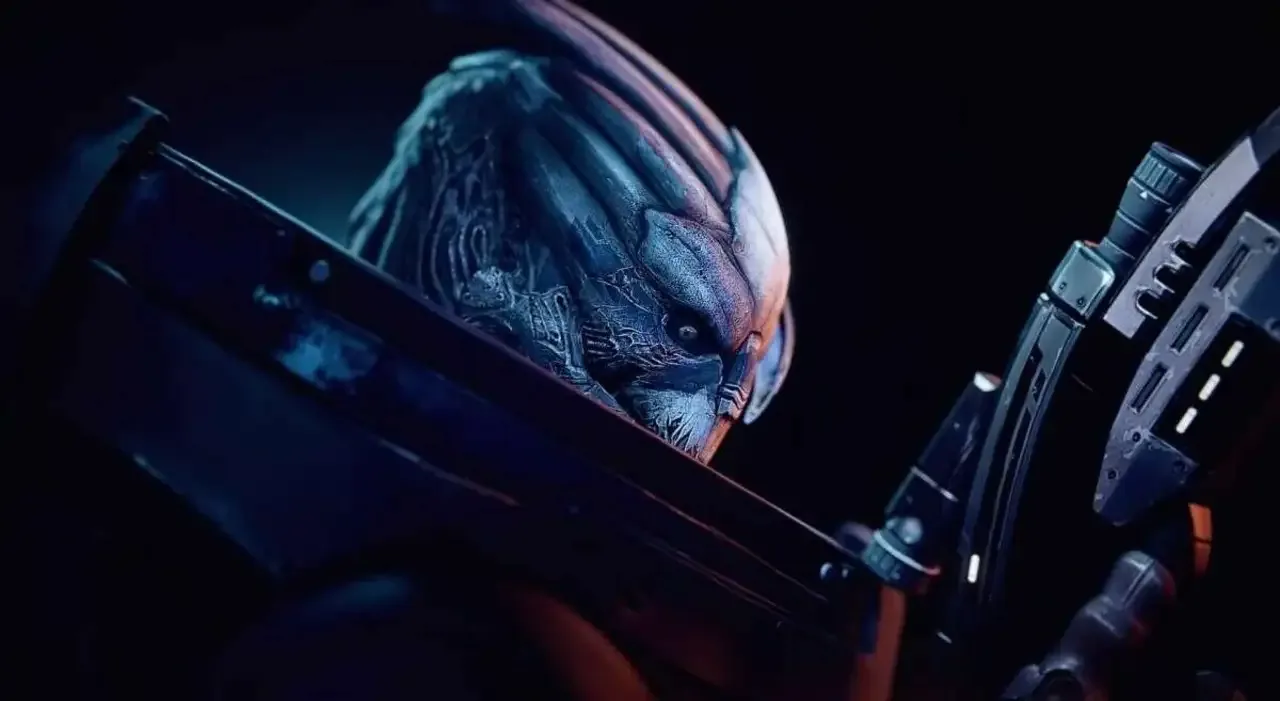
It wasn’t that long ago that games didn’t demand this kind of commitment. Developers still wanted to make money, but most titles were designed as complete experiences rather than ongoing services. You bought a game, played it at your own pace, and put it down when you were done without feeling like you were missing out. You got to enjoy the creative merits of their development teams, and occasionally even a new piece of technology. Even long-running franchises didn’t expect you to keep checking in every week. There were no Battle Passes, no rotating stores, and no seasonal content designed to punish you for taking a break. Games were easier to step away from, and that made them easier to enjoy.
That’s no longer the case, though. Intentionally addictive mobile games rake in billions of pounds per year. The highest grossing games of 2025 are almost all filled with all the mechanics that make playing them feel like having a second job. They aren’t one-off purchases you make to unwind after work. They’re services you pay for initially, then either literally pay for again if you buy cosmetics, or figuratively by sacrificing your time and energy. Not every interactive experience on the market is bad. But the ones that make the most money — and the ones that you likely to be pushed towards — usually are.
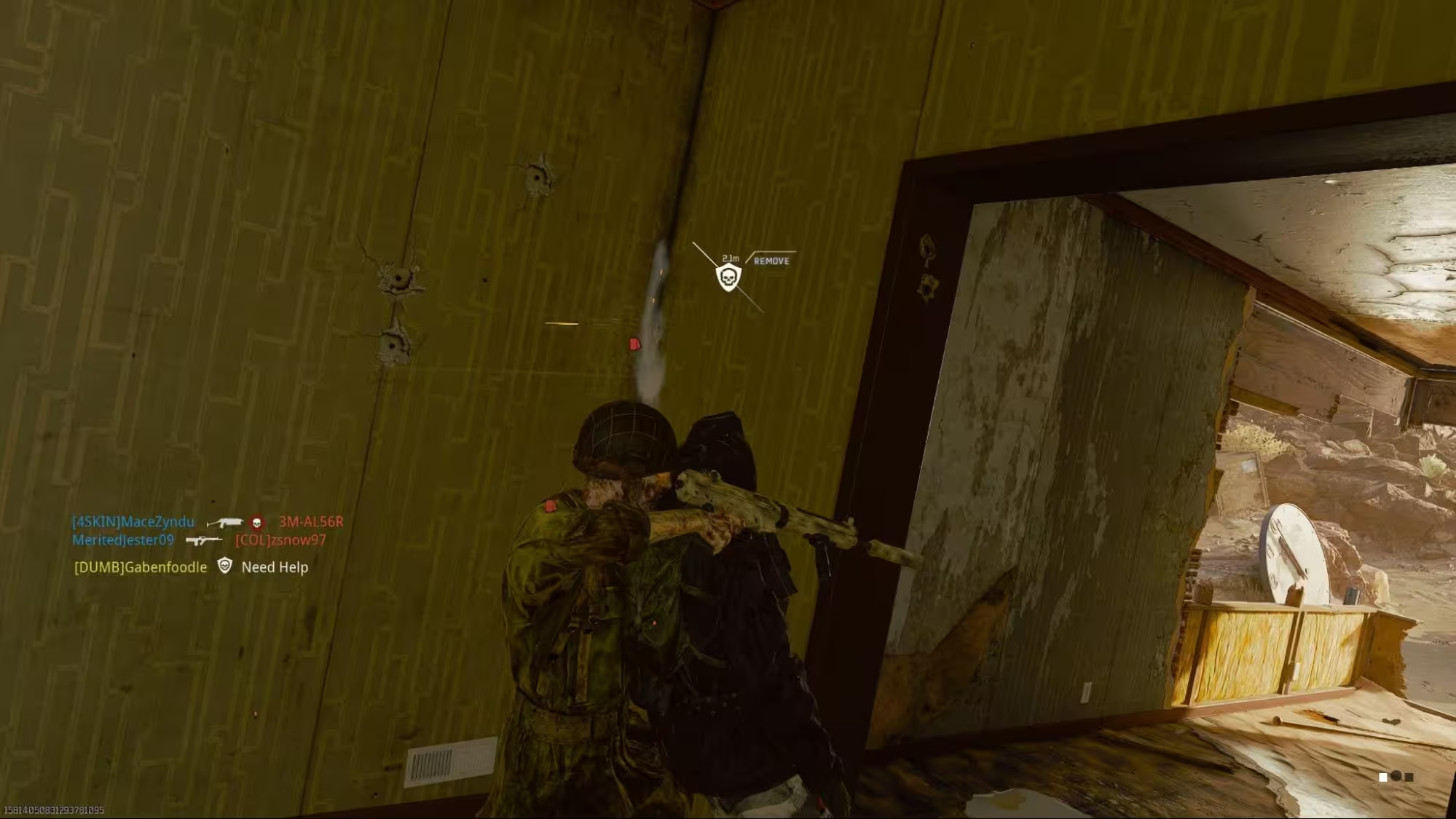
Take Battlefield 6, for example. The best-selling game of 2025 was leagues ahead of its competitor, Call of Duty: Black Ops 7. The title was, as far as we were concerned, actually pretty good, too. It had a decent single-player campaign, a solid multiplayer mode, and was packed with features fans requested for the 12 years between when it came out and Battlefield 4 launched. However, it also has a Battle Pass, an in-game store packed with expensive cosmetics, and you need to click through two advertisements for that store whenever you boot the game up. Like most modern multiplayer games, Electronic Arts plans to release seasonal content over the next year or so. If you don’t play the game during that timeframe, you won’t be able to acquire certain skins or enjoy certain modes. To get the most out of your purchase, you have to play it regularly. And if you do, you’ll have to deal with all the aspects that make it seem like an obligation more than an enjoyable activity.
Obviously, Battlefield 6 isn’t the only game with skill-based matchmaking, microtransactions, a Battle Pass and an extremely harsh moderation of its chat. Call of Duty, Madden, FIFA, and NBA 2K all have them too. So does Apex Legends, Marvel Rivals and Grand Theft Auto V. All those best-sellers have good gameplay, but aren’t always fun. You perpetually have to worry about min-maxxing everything you do, can’t swear in the chats, and play with different groups of people every match. You’ll be perpetually encouraged to waste money on in-game purchases, and deal with FOMO-inducing seasonal content. All of that is eerily similar to whatever you deal with to pay for these games in the first place. You’re effectively performing labour, not gaming.
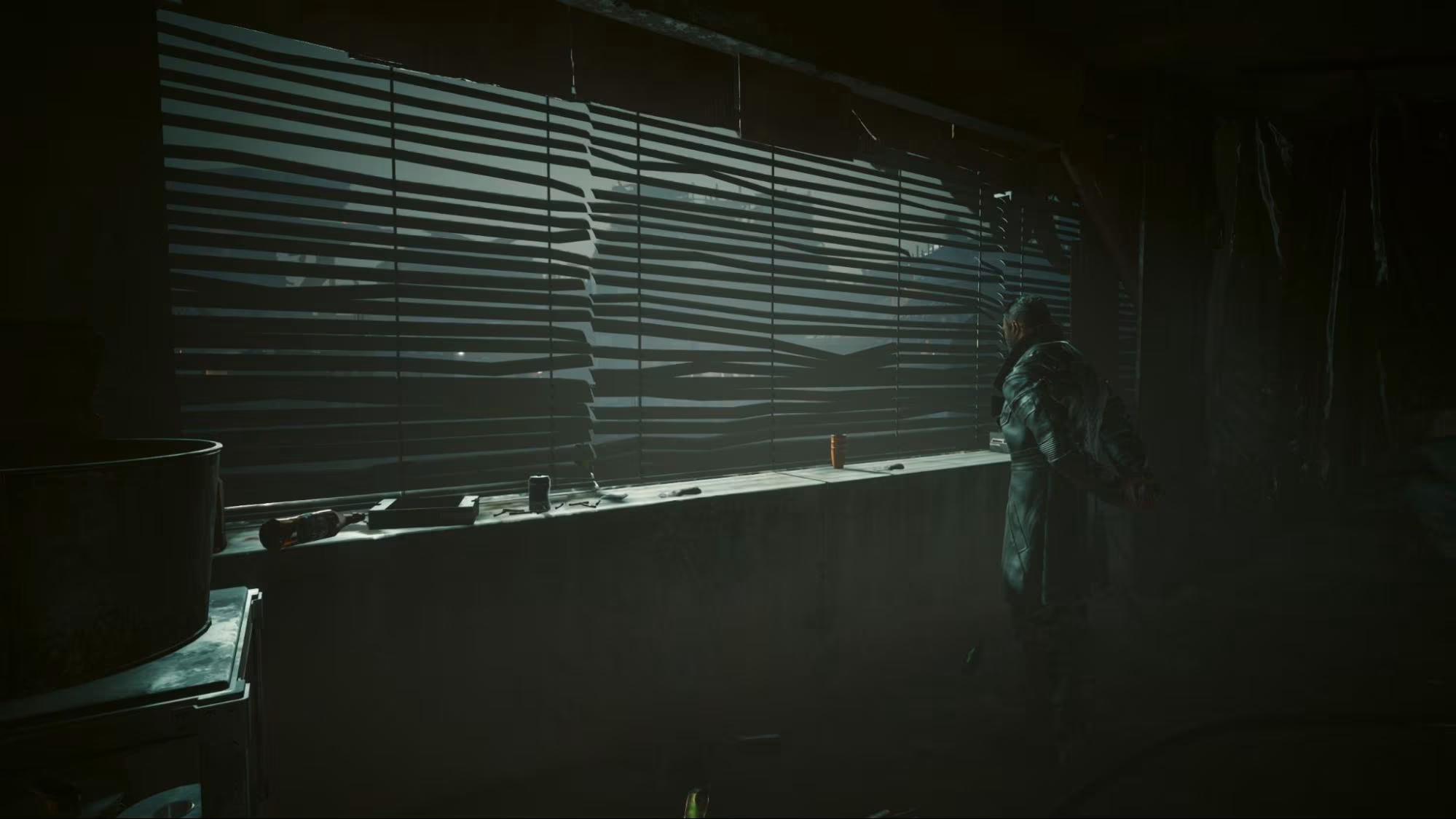
Multiplayer games are the worst offenders of this, but single-player ones aren’t exempt from it. If you play offline, you don’t have to worry about other players and all that comes with them. You’re also usually safe from in-game stores, but have to contend with another problem. The best single-player games are often difficult to complete if you don’t have two weeks of paid time off to burn through. The Mass Effect Legendary Edition, Red Dead Redemption 2, and Cyberpunk 2077 are objectively masterpieces. However, they’re also all filled with content that doesn’t respect your time. These aren’t titles you can play in small bursts, because they have both a ton of busywork and narratives that aren’t at all conducive to short play sessions. Red Dead Redemption 2, for example, has you completing tutorials well into its fourth act, and a plot-essential but boring gameplay-filled fifth one. The Mass Effect titles have similarly redundant training sequences, and even Cyberpunk 2077 is filled with boring quests you need to finish to get the most out of its ending. These sequences are akin to mandatory e-learning sessions at your day job. You have to devote a decent chunk of your life to completing them, because they can’t be experienced any other way. The Witcher 3 is one of the best single-player games ever created, and that was in part because of its short story arcs and the fact that it had cutscenes reminding you of whatever happened during your last play session. Modern offline games often don’t have those two essential elements, and as a result, feel like obligations. They’re the video game equivalent of doing menial tasks while working unpaid overtime at a job you love. They can be fun, but only because you’re in a world you want to be in.
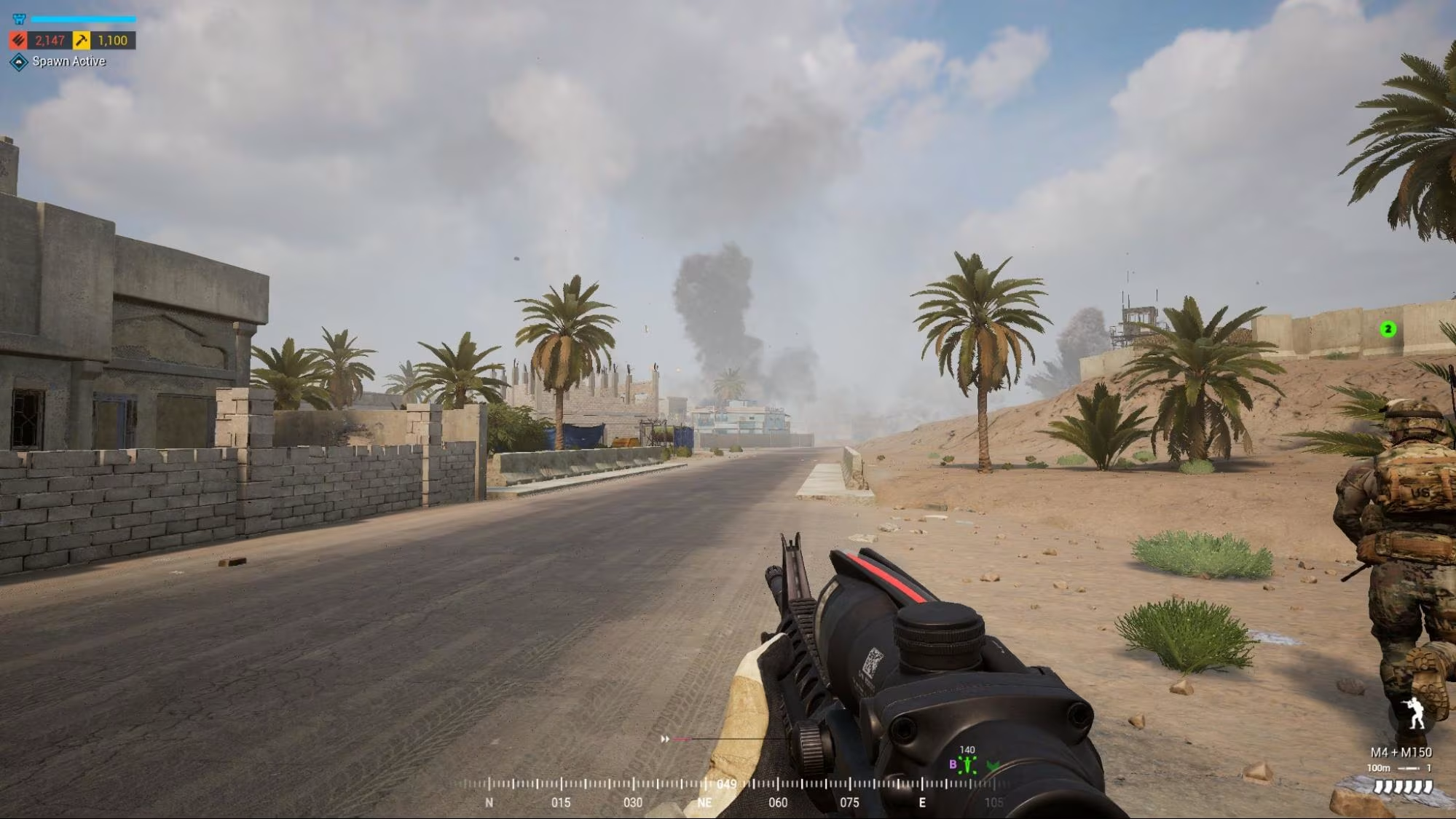
Not every game on the market is tiring to play, mind. There are plenty that don’t follow the industry’s recent trend of creating experiences that are effectively jobs. You don’t have to boot up Squad every week to get the most out of it. It doesn’t have a Battle Pass or a virtual human resources specialist, just straight-up great first-person shooting gunplay. Indiana Jones and the Great Circle isn’t overly serious, and can be beat in a couple of sittings. Astro Bot is the epitome of everything casual, and it doesn’t require a lot of focus to enjoy. You can access Helldivers 2’s seasonal content even after its events are done, and its developers included countless features that’ll make you laugh out loud. All of these titles respect your time, and your money. They’re fun and expertly crafted experiences that actually help you unwind after a long day’s work. You won’t be reminded of that day while playing them, either.
Video games don’t need to be easier. They do, however, need to remember why they exist. There’s nothing wrong with 80-hour-long single-player adventures, competitive first-person shooters, or even titles you play on your phone. Hundreds of millions of people across the globe boot up their computers, consoles, and small screens every day because the world is stressful and everyone needs a way to relieve that stress. Nobody wants more obligations while they’re gaming. A small selection of titles that understand this may not make as much money as the ones that don’t. They’re better, though, because they don’t force you to perform labour that you’re paying for. Almost all of us are exhausted after doing our 40, and the last thing most people want is a hobby that clocks them back in.
You can subscribe to Jump Chat Roll on your favourite podcast players including:
Let us know in the comments if you enjoyed this podcast, and if there are any topics you'd like to hear us tackle in future episodes!