
PC
I never imagined that Disco Elysium would spawn its own genre of games. In 2019, ZA/UM released the game that redefined what a CRPG could be. Its writing is second to none, its gameplay is unique and enjoyable, and its soundtrack still lives rent free in plenty of players' heads. Unsurprisingly, plenty of developers have followed in its footsteps. And, for the most part, they’ve been successful.
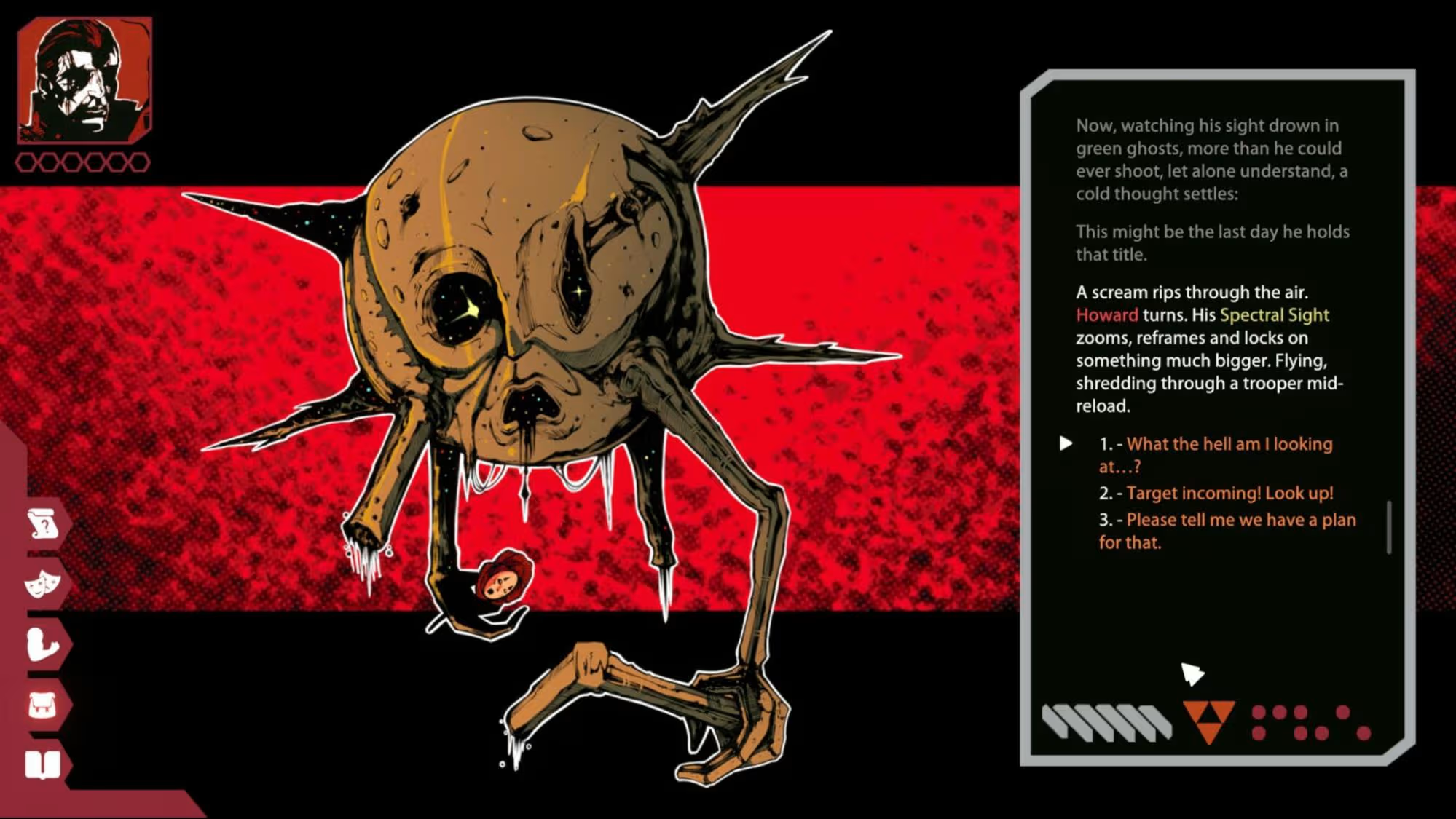
In the first half of 2026 alone, I’ve already played (and loved) three. Esoteric Ebb, Aether and Iron, and No Stone Unturned were all obviously inspired by Disco Elysium. And although none of them were masterpieces, there’s an excellent chance they’ll all end up on our “best of 2026” list come December. So will Celestial Return. Darker and more punishing than most Disco-likes, the game works because it has the essence of its contemporaries and a unique core mechanic.
It’s not worth describing Celestial Return in detail, because the template it uses is familiar. You play as a washed-up detective with a dark past. There are personified voices in your head, a quirky sidekick in your pocket, and literal dice rolls that determine whether or not you survive an encounter. Celestial Return rarely strays from the established formula, but it’s all the better for it.
The game differs slightly from its contemporaries by being set in a cyberpunk world. The story itself is predictable, and if you’ve played a few Disco-likes, you’ll probably see its twists coming as soon as you beat the introduction. However, just like the genre’s best, the writing here is exemplary and the characters are genuinely interesting.
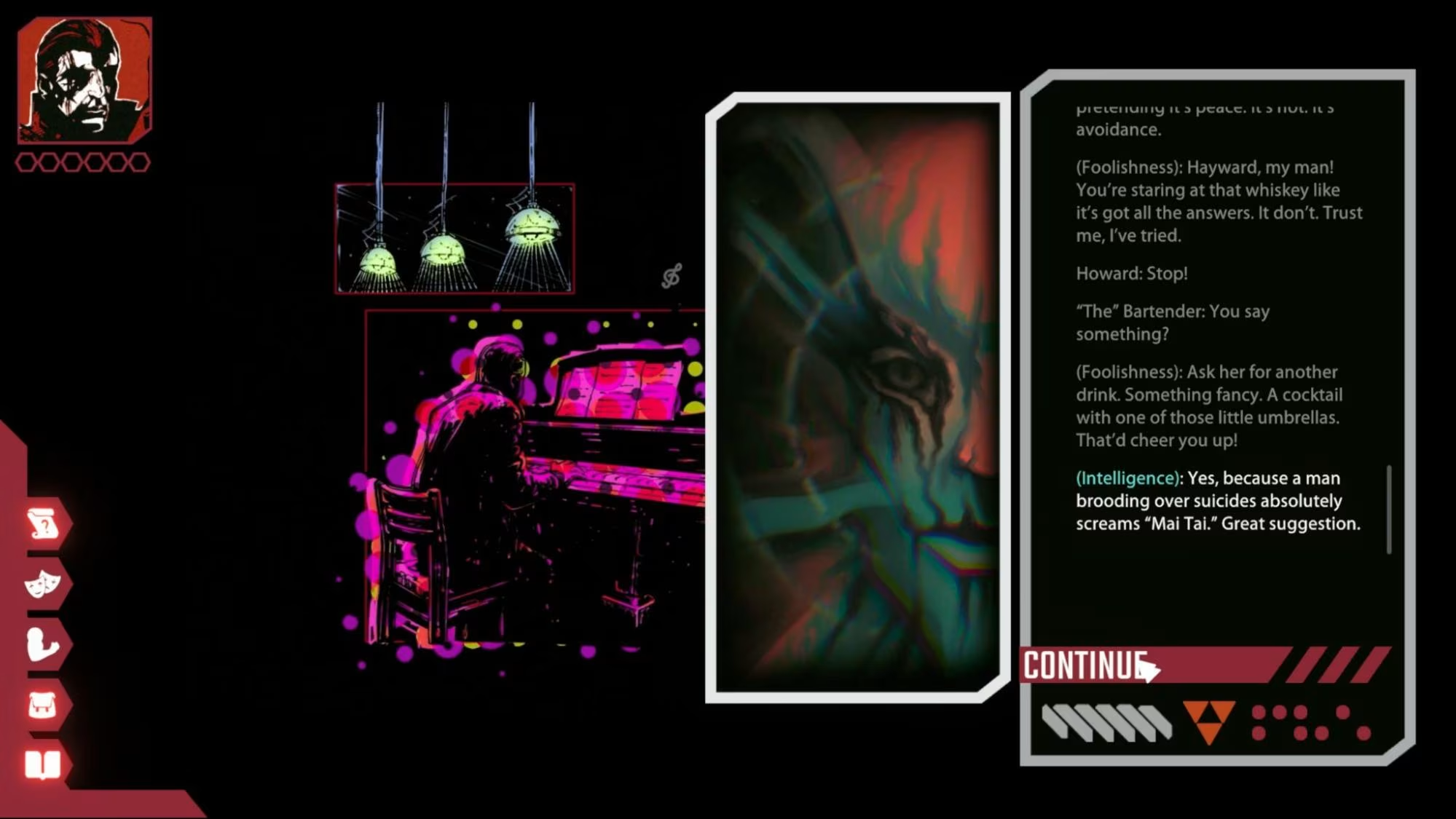
Unlike most of its contemporaries, though, Celestial Return wears its emotions on its grimy trenchcoat. Although you can roleplay within reason, you’re actively encouraged to be angry at the powers that be. And when your quest for revenge takes its toll on your companions, both you and your character will want to get sad drunk. The beat-driven soundtrack constantly reinforces these emotions, making you feel far more than the genre’s standard mix of regret and anxiety. It more than compensates for a storyline that, while familiar, is exceptionally well told.
Celestial Return’s gameplay is anything but typical, though. It follows the same template that you’re probably accustomed to by now. There’s a top-down map filled with leads and random encounters, and whether or not you succeed during text-based combat depends on your character’s skills, the items in your inventory, and a healthy dose of real-world luck. The catch is that the game turns luck into a resource. The dice you roll also serve as Celestial Return’s in-world currency. You can spend them on upgrades, drinks, and occasionally tips from your sources. If you run out, you won’t have anything left to gamble with in combat. And that means it’s game over for you.

The first time that you’re softlocked because you blew all your dice is frustrating. The more you play, though, the more you’ll enjoy the mechanic. Celestial Return only takes about eight hours to beat, or substantially less if you fast-forward through dialogue. So starting from scratch never feels like a punishment, and it lets you experiment with the game’s story. You can make different decisions and explore the branching narrative without playing for an entire weekend.
More importantly, though, getting a game-over screen reinforces Celestial Return’s core themes. When you set out for the main storyline, your character doesn’t really expect to survive. And during some playthroughs, they won’t. This is a rare example of a game that doesn’t have ludonarrative dissonance. Luck is literally a currency here, and when it runs out, you’re screwed. That makes the entire experience more powerful than many of its contemporaries, and more memorable.
It’s still difficult to judge Celestial Return entirely on its own merits. This is a game that proudly wears its inspirations in its sleeve. And it’s all the better for doing so. While not as self-aware as Esoteric Ebb, as self reflective as Disco Elysium, or as self deprecating as No Stone Unturned, the experience is enjoyable because of the subtle ways it challenges the established formula.
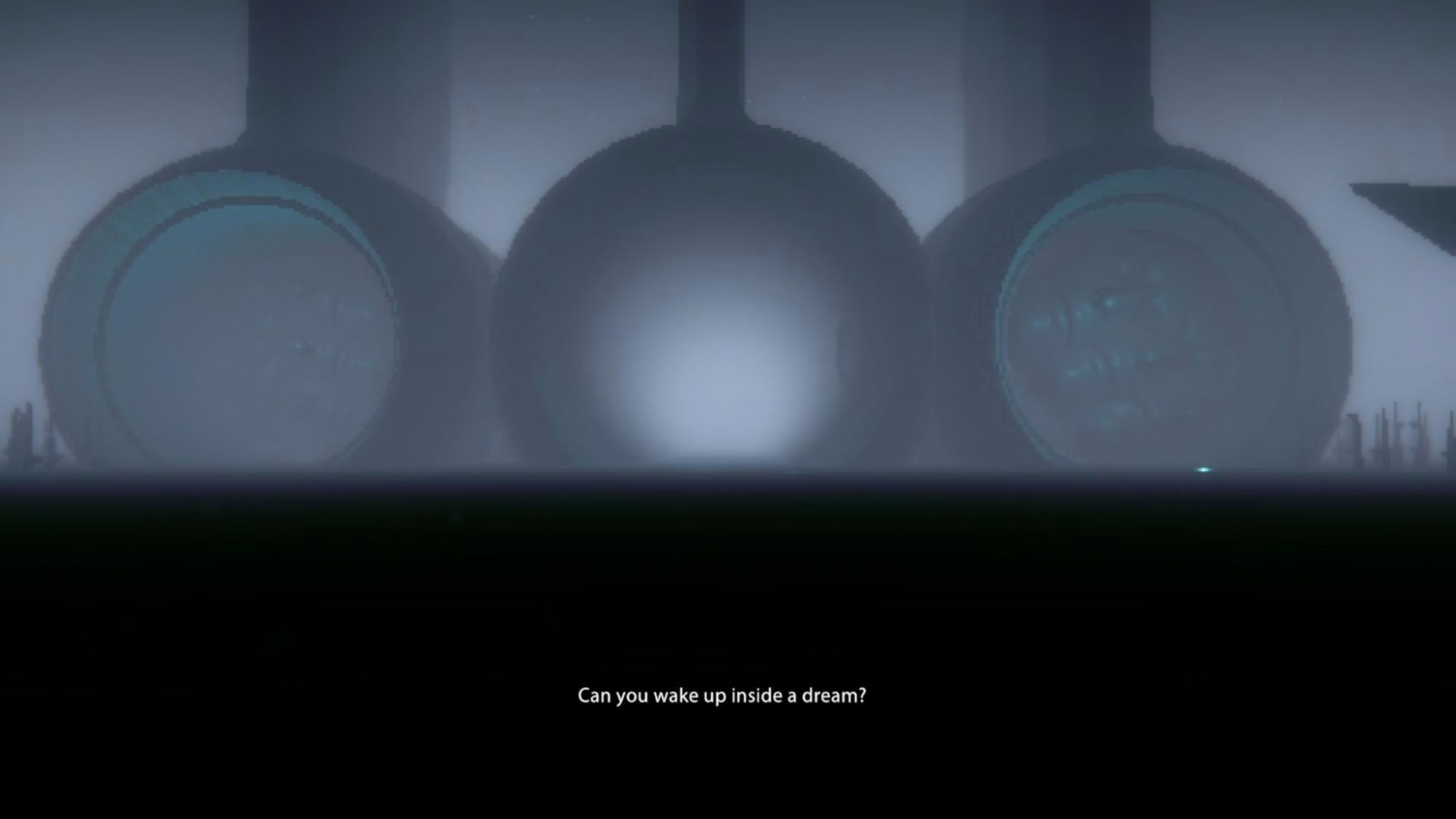
The writing and characters are excellent, but it’s the way Celestial Return weaves its central mechanic into both gameplay and story that make the experience memorable. It’s challenging, occasionally frustrating, and knows exactly when to hit you emotionally. In a genre that increasingly risks becoming derivative, Celestial Return proves there’s still plenty of room for new ideas.
You can subscribe to Jump Chat Roll on your favourite podcast players including:
Let us know in the comments if you enjoyed this podcast, and if there are any topics you'd like to hear us tackle in future episodes!