PC
There is something inherently appealing about abandoned places. We are drawn to them in the same way we slow down to look at a derelict house or an empty factory: not because of what remains, but because of what is missing. Who lived here? What happened? Why did everyone leave?
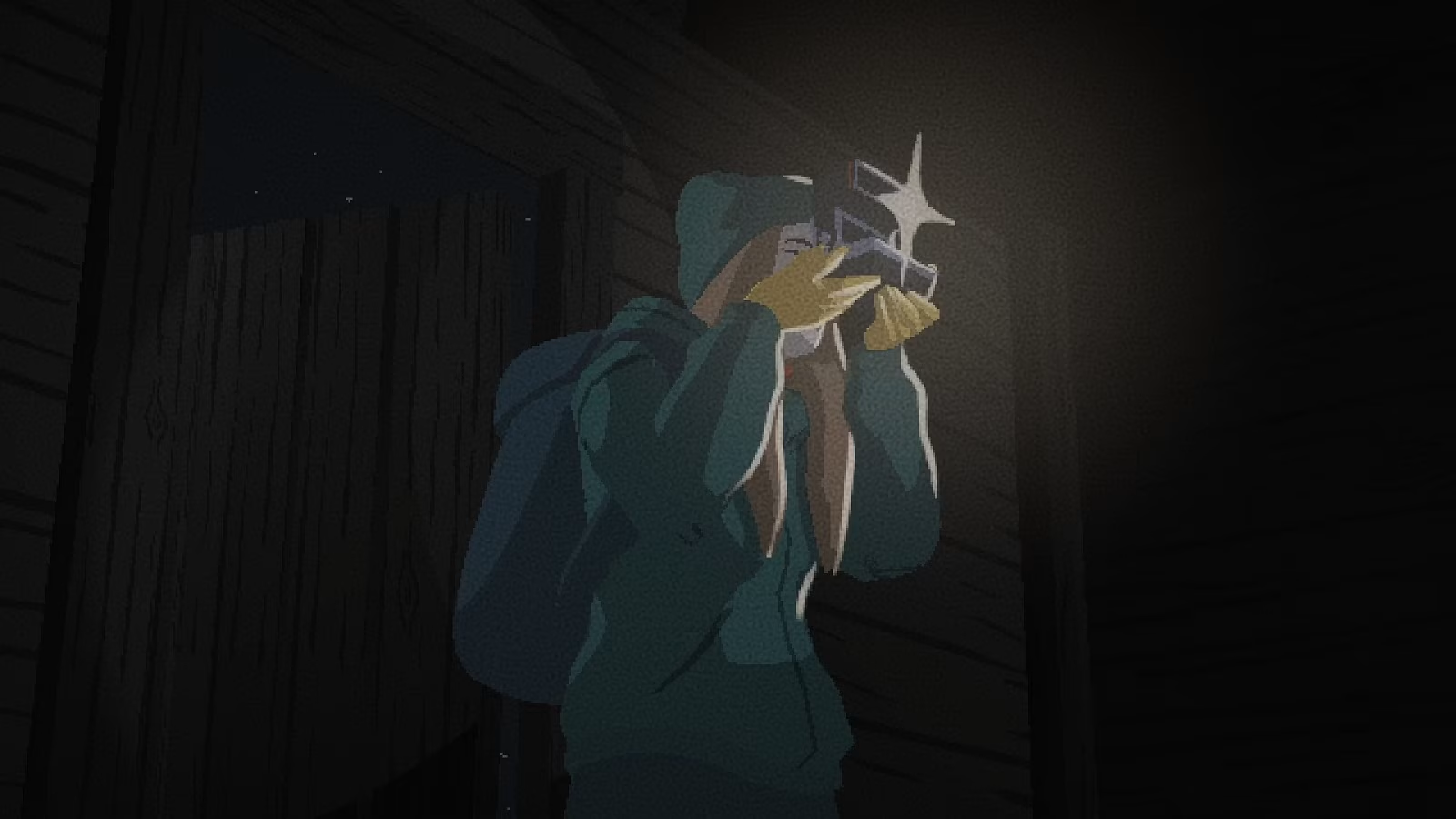
The Tragedy at Deer Creek is built entirely around those questions. Developed by Sparrowland, this cinematic point-and-click adventure follows photographer Charlotte Gray as she travels to a long-abandoned Alaskan logging camp while researching material for her photography project, Forgotten Frontiers. This exercise in documenting forgotten history quickly evolves into a mystery involving family, sacrifice, loss, and secrets buried beneath decades of snow. It's an effective premise, and for much of its runtime Deer Creek's greatest strength is simply existing.
The camp itself is wonderfully realised. Wooden cabins creak beneath heavy snowfall. Machinery rusts quietly in the wilderness. Entire buildings appear frozen in time, as though their occupants stepped outside for lunch and never returned. The setting captures that peculiar melancholy unique to abandoned communities, like Humberstone, a ghost town I visited in South America a decade ago, and the memory of which still tickles my synapses to this day.
Visually, Sparrowland has produced something genuinely impressive. The hand-crafted pixel art is rich with detail, balancing realism with enough stylisation to avoid feeling sterile. Character portraits are expressive, environments are packed with environmental storytelling, and the icy Alaskan backdrop provides a constant sense of isolation. Combined with a haunting banjo-heavy soundtrack, Deer Creek frequently succeeds in creating an atmosphere that feels equal parts ghost story and historical mystery.
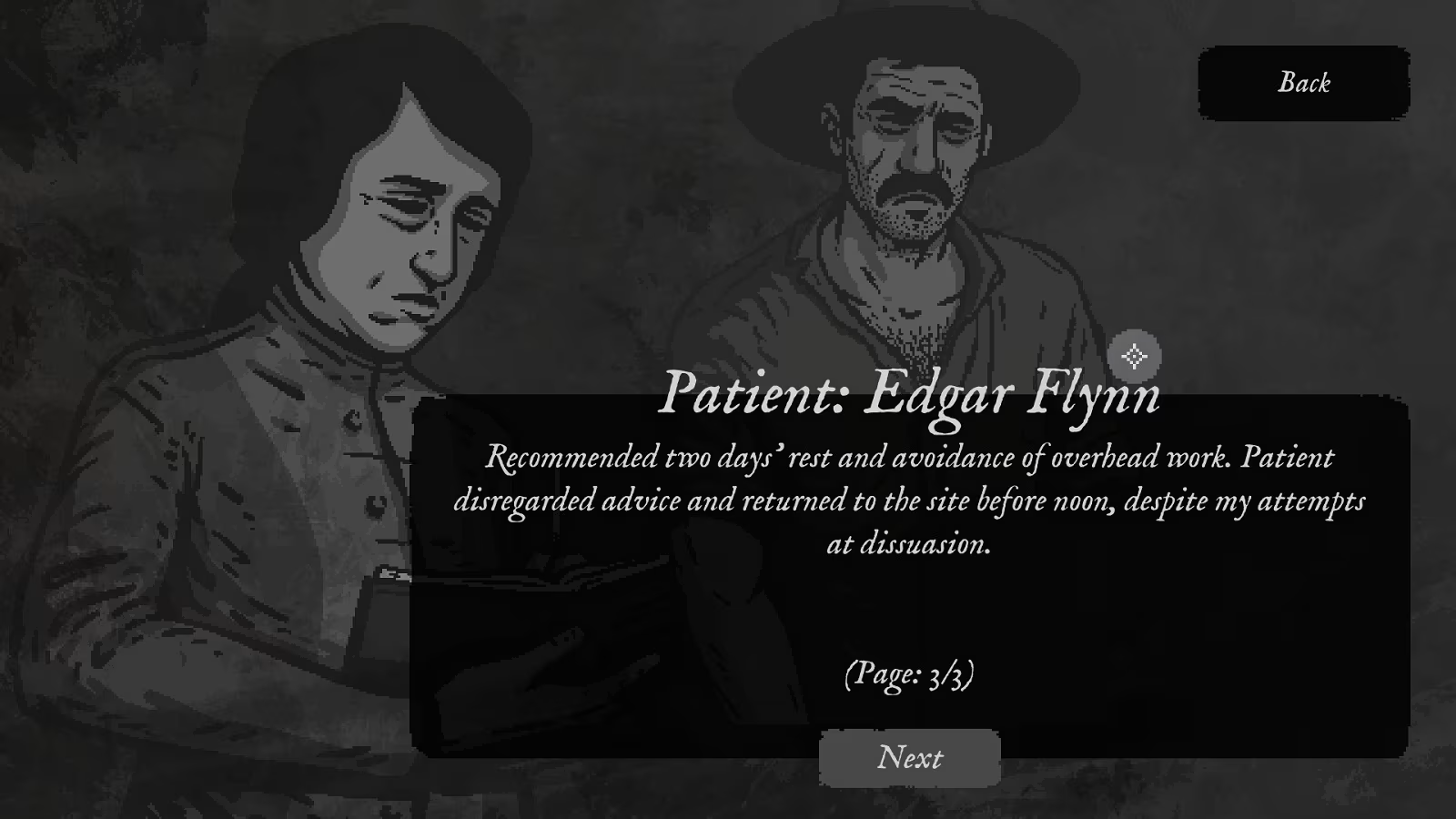
Like many modern narrative adventures, The Tragedy at Deer Creek is more concerned with immersion than challenge. Exploration, item gathering, and puzzle solving drive progression as Charlotte pieces together the events that led to the camp's downfall. Notes, photographs, discarded belongings, and environmental clues slowly reveal the lives of Deer Creek's former residents.
Initially, this works extremely well. There is a satisfying sense of discovery in uncovering fragments of forgotten lives. Every new building promises answers. Every clue raises fresh questions. Charlotte's role as a photographer is particularly effective because it gives the investigation a believable framework. Unlike the usual adventure game protagonist who immediately starts rifling through strangers' belongings like an especially polite burglar, Charlotte has a genuine reason to be documenting the camp and examining its history.
That's not inherently a problem. Not every adventure game needs to reinvent the genre. The issue is that The Tragedy at Deer Creek never really evolves its puzzle design. Despite only being three hours long, I was engaging with largely the same types of interactions at the end as I encountered at the beginning. New narrative revelations arrive regularly enough to maintain interest, but mechanically the game starts to feel repetitive long before the credits roll.
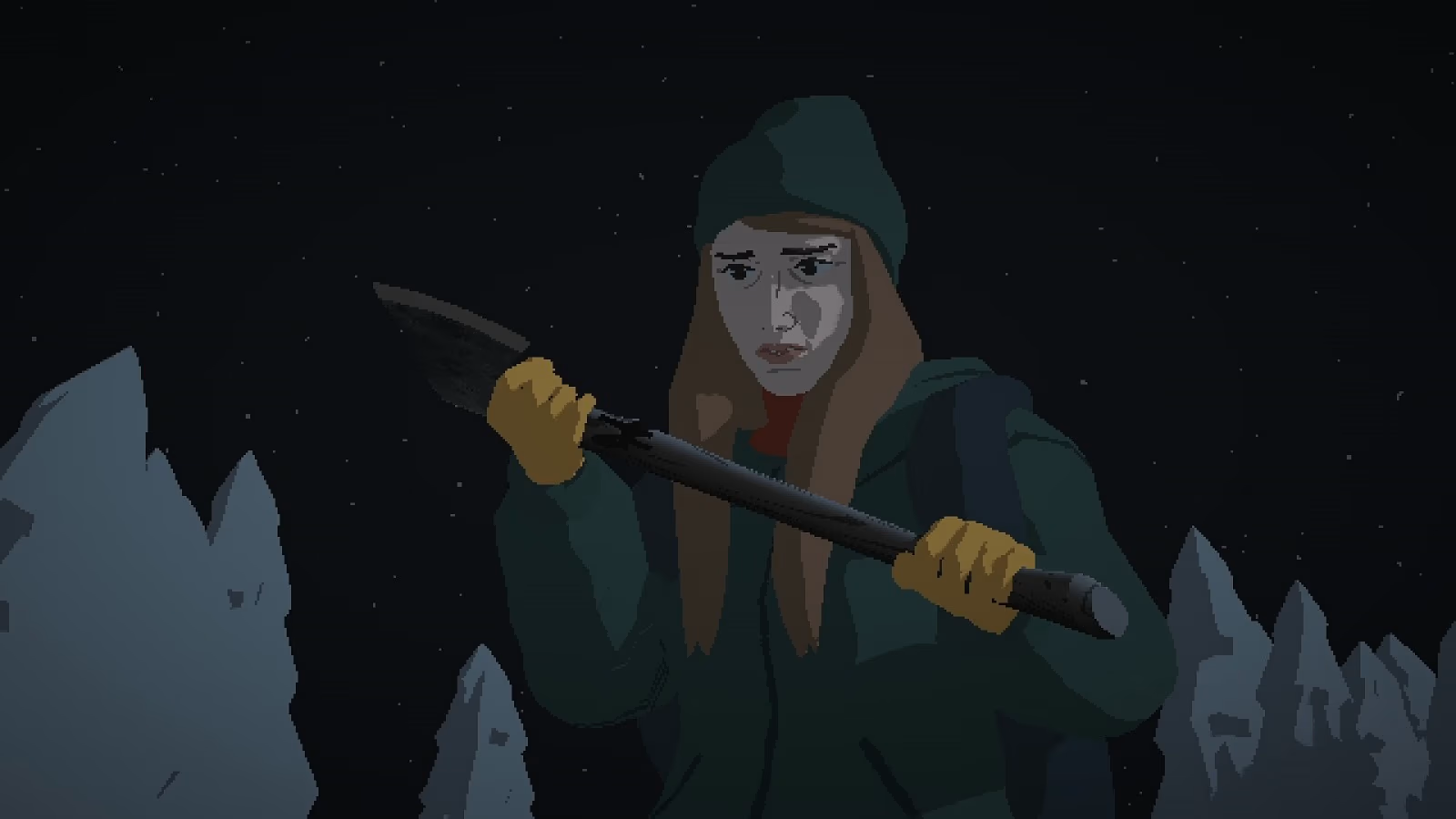
This creates an awkward disconnect between story and gameplay. The narrative wants you to feel the weight of generations, the complexity of family relationships, and the emotional devastation at the heart of Deer Creek's history. Yet the actual process of uncovering those truths often involves a considerable amount of wandering around snowy cabins looking for the one object you somehow failed to click on twenty minutes earlier. Adventure game veterans will likely push through these moments without much frustration. Newcomers may find their patience tested.
Charlotte herself fares better. She's a likeable protagonist, largely because Sparrowland avoids the temptation to make her an action hero or paranormal investigator. She's simply a woman documenting forgotten places who gradually finds herself drawn deeper into a story she never expected to uncover. Her observations are grounded, her reactions believable, and the writing does a solid job of carrying the quieter moments.
The supporting cast are, by necessity, mostly absent. Deer Creek's former residents exist primarily through memories, letters, recordings, and traces left behind, allowing players to gradually assemble a complete picture of the camp's community. Sometimes it works beautifully. Certain discoveries genuinely humanise the people who once lived here, transforming names on paper into fully realised individuals.
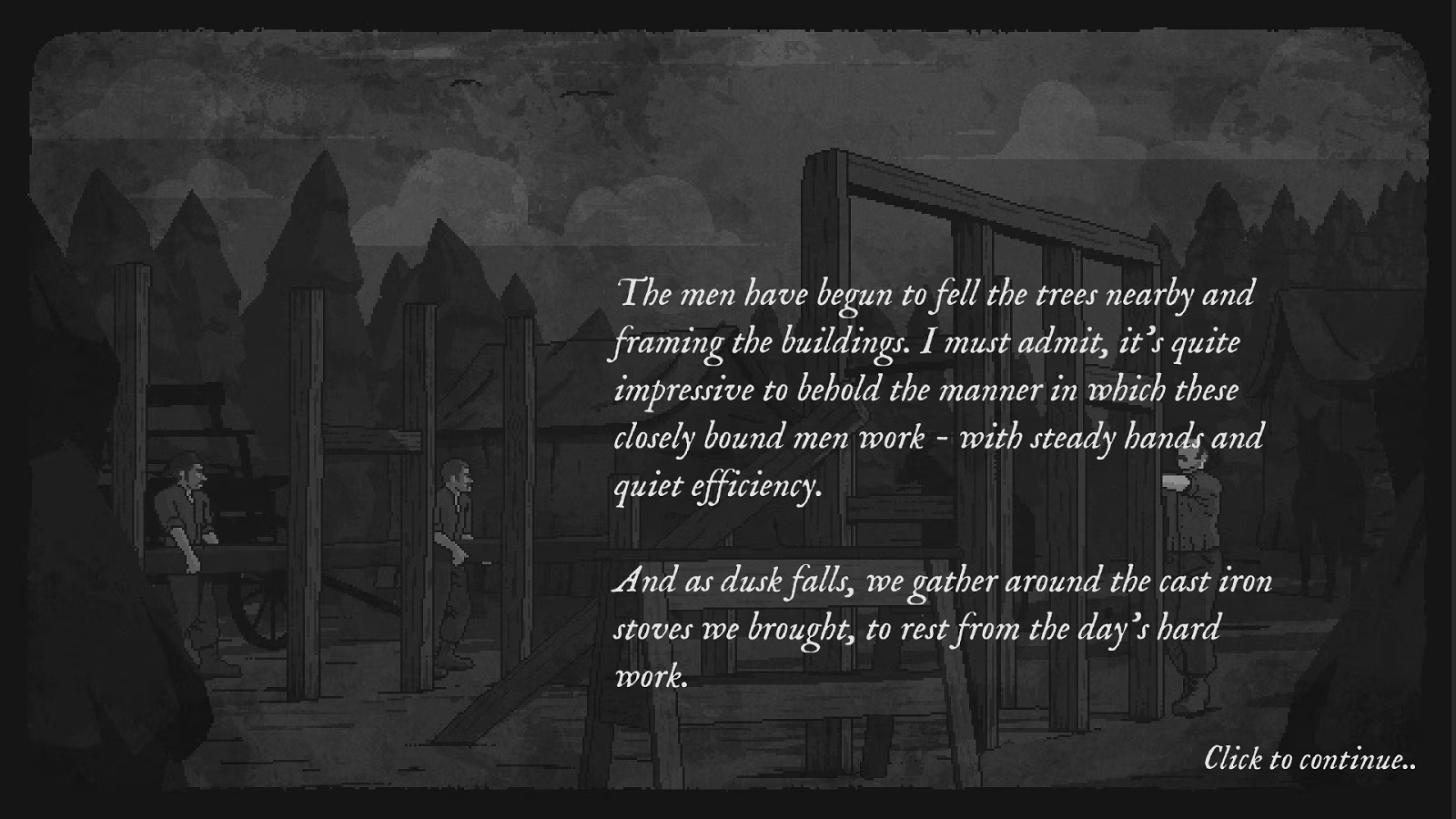
Other times, however, the storytelling leans too heavily on implication. There are stretches where the game seems reluctant to provide enough concrete detail, perhaps fearing that explicit answers might diminish the mystery. Instead, some emotional beats feel slightly underdeveloped, as though important pieces of the puzzle remain just out of reach.
The supernatural elements mesh similarly awkwardly. The game establishes early on that something isn't quite right about the camp. Deer Creek feels suspended in time. Strange occurrences punctuate exploration. An uneasy sense of presence lingers throughout the wilderness. This ambiguity is effective because it keeps players guessing. Is there genuinely something paranormal at work here, or is the game using supernatural imagery to reinforce themes of grief and memory? By the conclusion, I wasn't entirely convinced the game knew which answer interested it more.
That might sound harsher than intended because there is considerable craft on display throughout. The environmental art is excellent, reminiscent of a 40-year graphical glow up the Amstrad text adventures I used to play. The soundtrack consistently elevates scenes that might otherwise feel static. The writing is thoughtful. Even the interface deserves praise for remaining unobtrusive and easy to navigate. The single-click interaction system is particularly welcome. Adventure games can sometimes drown players in convoluted inventories, but Deer Creek keeps things streamlined, ensuring that puzzle solving rarely becomes an exercise in fighting the interface.
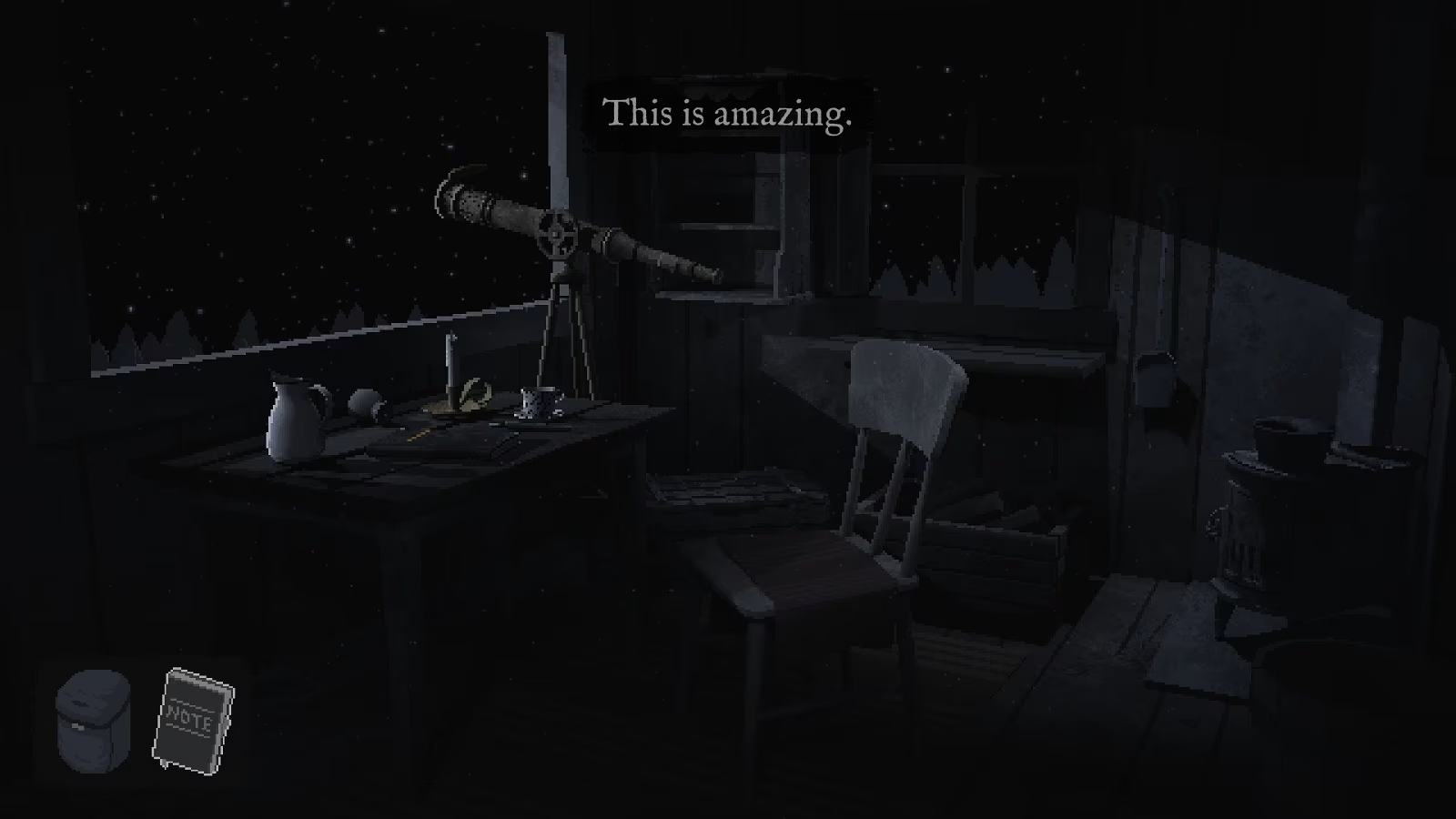
It's just a shame that the underlying gameplay doesn't quite match the quality of the presentation. In many ways, The Tragedy at Deer Creek feels like a game caught between two identities. It wants to be a thoughtful narrative adventure in the tradition of What Remains of Edith Finch. It also wants to be a more traditional point-and-click mystery with puzzles and environmental interactions. Individually, both approaches have merit. Together, they occasionally pull against one another. The narrative asks for momentum. The gameplay prefers contemplation. Neither side fully wins.
Still, there is enough here to recommend for fans of atmospheric adventure games. The mystery is intriguing. The setting is memorable. The visual presentation is consistently beautiful. If you enjoy slowly uncovering forgotten histories and don't mind a leisurely pace, Deer Creek offers several hours of compelling exploration. The devastating conclusion alone made the journey to reach that point worthwhile: a left-field hammer blow I hadn’t seen coming, which threw everything I’d learned in the previous two hours into sharp relief.
The atmospheric setting, strong presentation, and intriguing mystery are enough to carry it through occasional pacing issues and puzzle repetition. While it falls short of becoming an essential modern adventure, it remains an engaging one, particularly for players who enjoy taking their time to explore forgotten places and the stories hidden within them.
You can subscribe to Jump Chat Roll on your favourite podcast players including:
Let us know in the comments if you enjoyed this podcast, and if there are any topics you'd like to hear us tackle in future episodes!