
PC
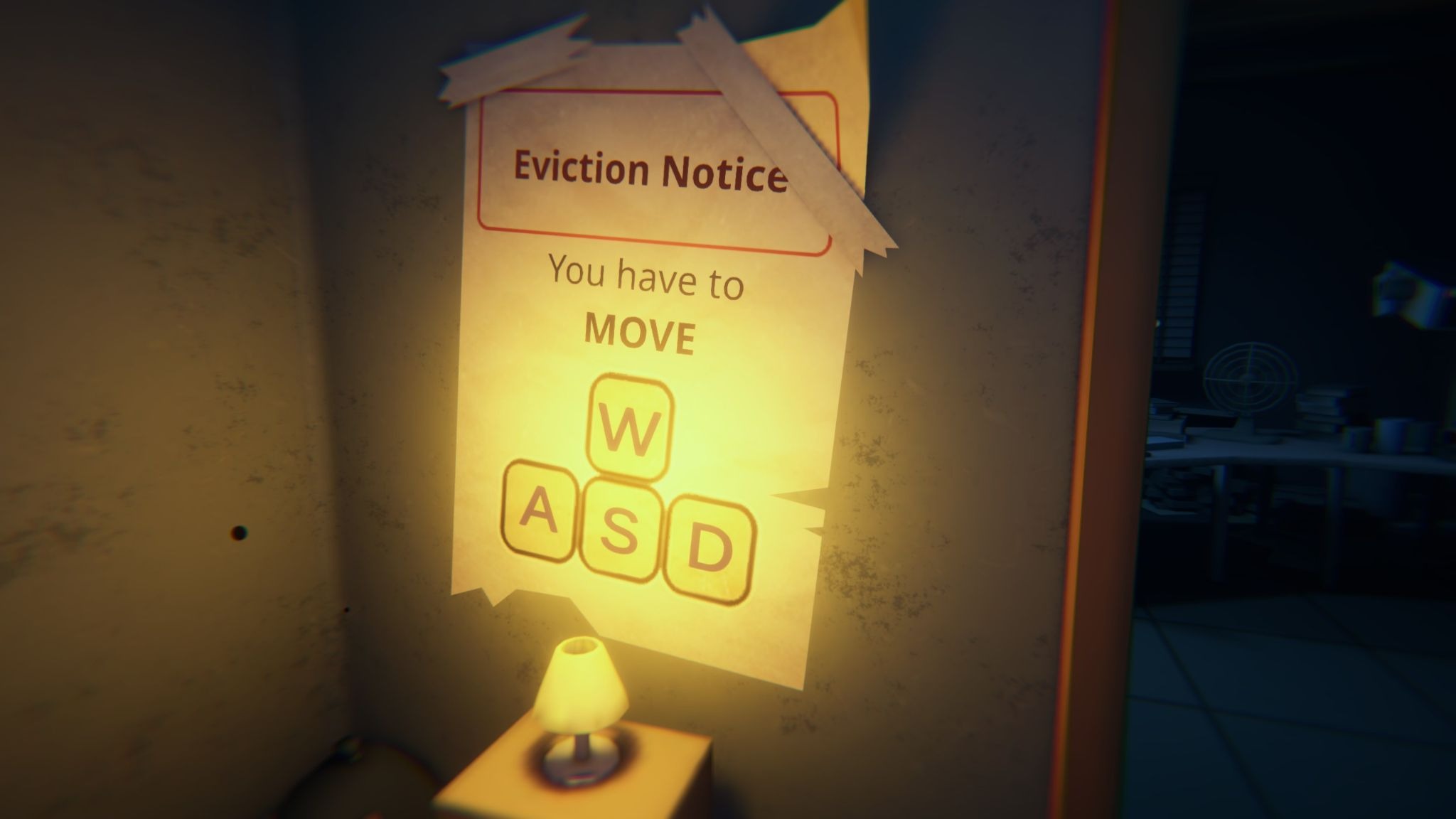
This might be an unpopular opinion, but walking simulators aren’t inherently bad. The genre may have fallen out of vogue, but it never deserved the hate it received. Without conventional gameplay, the best examples made up for it with memorable stories and incredible atmospheres. Dear Esther, The Stanley Parable and Gone Home weren’t technical masterpieces. Over a decade after they all launched, though, they've probably stuck with you more than most of that decade’s shooters. Time to Wake Up isn’t quite as good as those three, or many other games that involve little more than pressing W, A, S and D. However, its storyline is depressing, and its mechanics are unique. It’s not the best game ever created, but in ten years, you’ll probably remember it exists, unlike this year’s forgettable shooters.
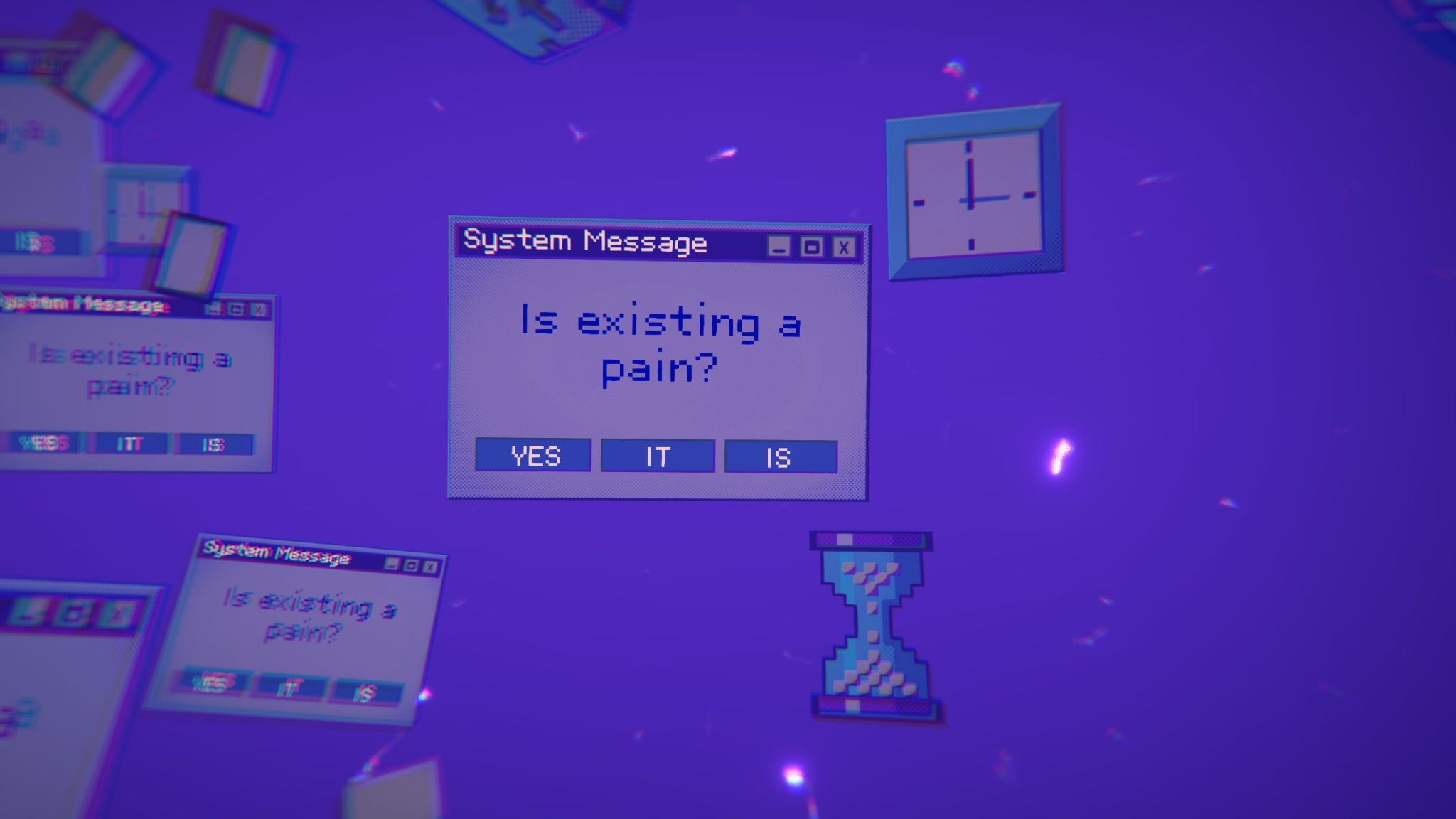
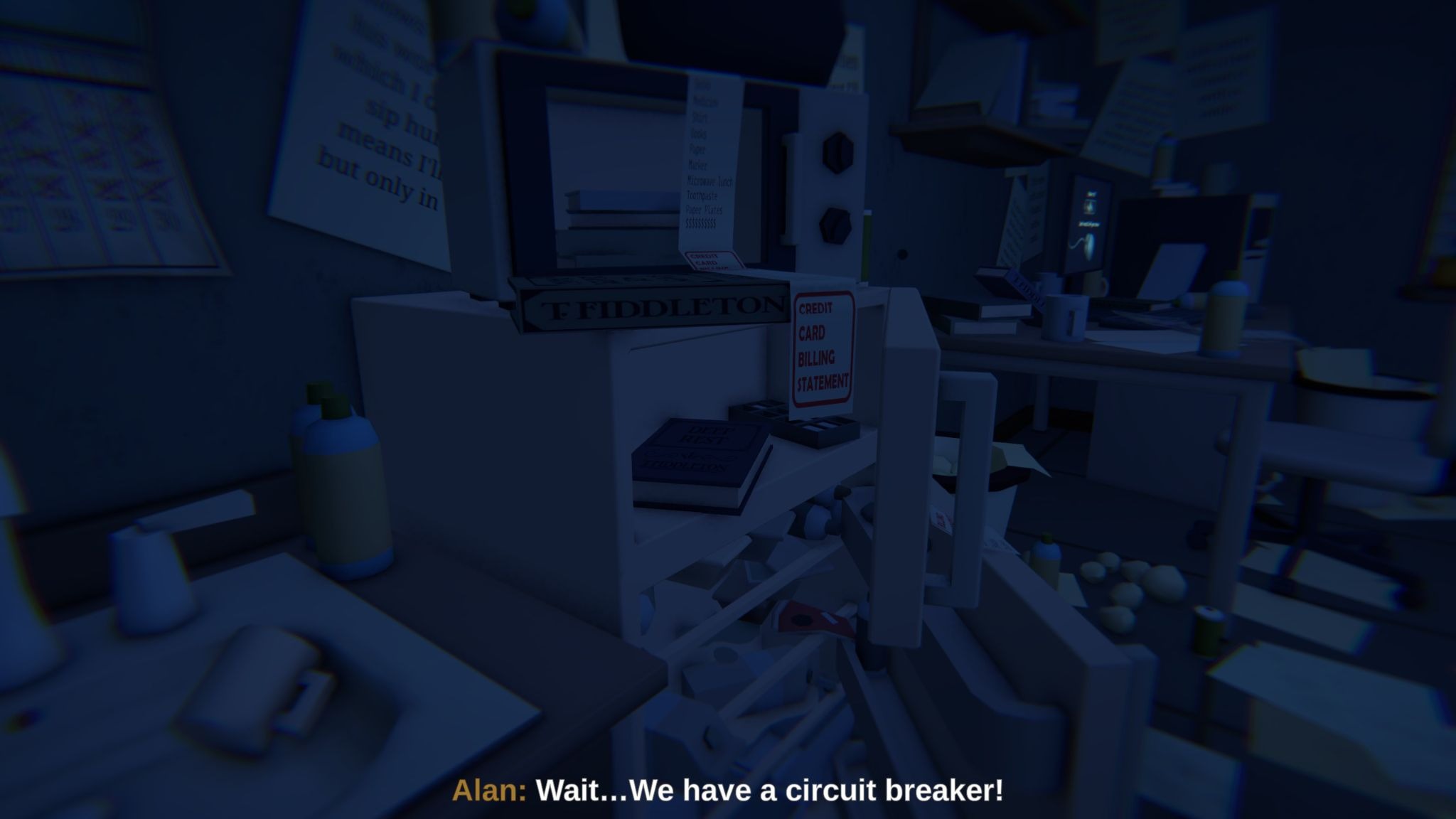
You play as Alan. Ordinarily, I’d throw in a Jurassic Park joke here. But Time to Wake Up is too depressing for that. Alan is perpetually haunted by memories from his childhood. He’s broke, emotionally broken, and keeps himself company by talking to a chatbot he created based on the author of an incel-esque novel. He constantly swallows pills to manage his troubles, and when he’s forced to leave his apartment to fix the power, he has a panic attack. All told, he’s a sad man. Over the course of three-ish hours, it’s your job to make him better.
That means doing what you'd expect from most walking simulators: navigating linear environments, solving straightforward movement and logic puzzles, and listening to a seriously fucked-up story. The story is the game's real selling point, and it delivers. Uncovering Alan’s past is compelling, and also an exercise in making yourself feel terrible. The childhood experiences you uncover through Alan’s adult perspective are deeply unsettling. Whenever you think you’ve experienced the worst the game has to offer, it throws an even more disturbing twist your way. Watching these events unfold isn't fun or satisfying, but the story keeps you glued to the screen, and ends in an unexpected way that’ll make you think about the title well after the credits roll.
Time to Wake Up’s gameplay doesn’t fare quite as well. There’s a surprisingly interesting idea here. Press a button to blink, and you switch to an even more depressing version of Alan’s nightmare. That allows you to navigate obstacles, bring essential items from one world to the other, and solve puzzles. It works well as a narrative device that symbolises about fifteen different things. As a gameplay mechanic, though, it feels a bit gimmicky.
One mid-game puzzle, for example, tasks you with swimming around a flooded bathroom. The parts of it that you can access depend on what version of the nightmare you’re in, so you have to continually switch between the two. For the first couple of minutes, it’s interesting to figure out the layout. After half an hour, though, it becomes tedious. Escaping the hellish landscape means moving through one version of the world, blinking into the other, then repeating the process a few feet later. Repeat that process a dozen times, and the scene loses some of its emotional weight.
Worse, the next puzzle involves doing basically the same thing.
That doesn't ruin the overall experience, though. That’s partly because, on a technical level, Time to Wake Up is a polished experience. The voice acting is excellent, the visuals have a timeless quality, and the music hits all the right beats. There aren’t any game-breaking bugs, and the mechanics are straightforward enough to follow without a guide. You can finish it without a YouTube walkthrough or asking your own chatbot how to get past an obstacle.
What makes Time to Wake Up worth recommending is the same thing that made the walking simulators of yore so good. Its story is depressing, memorable, and likely to make you contemplate your own life and mistakes. Its gameplay, on the other hand, can be frustrating. However, it ties in well with the story and is never so bad or banal that you’ll give up on it. Time to Wake Up isn’t exactly fun. It’s the sort of game that makes you want a drink afterwards – and another whenever you remember it in the years to come.
You can subscribe to Jump Chat Roll on your favourite podcast players including:
Let us know in the comments if you enjoyed this podcast, and if there are any topics you'd like to hear us tackle in future episodes!