PS5
PC
Switch
Switch 2
You will remember this
The downside to having to pick through so many games to review each week, month and year is that there will inevitably be omissions of note. Gems fall through the cracks — games that really should have been on a “games of the year” list. It’s a shame on the one hand, because you end up kicking yourself for not being part of the zeitgeist. On the other hand, it can be a blessing — especially with episodic games, a delivery format even the developer AdHoc thought was probably insane — because you can experience the complete story in a couple of sittings and see if it holds together in a way that’s harder to judge week-on-week. Dispatch doesn’t just “hang together”. It is one of the tightest, funniest, most entertaining stories I’ve played in the genre.
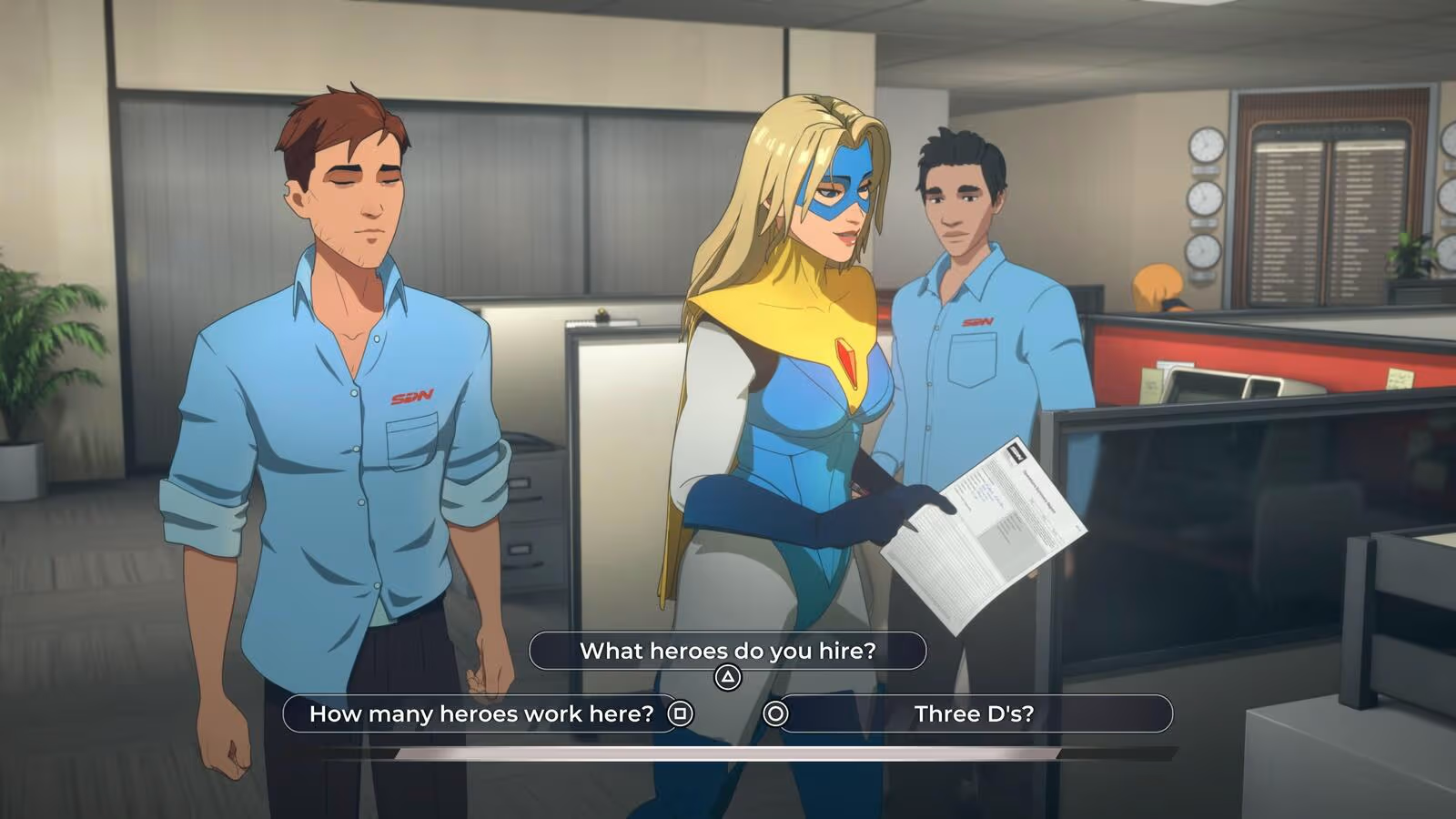
Powered by a choice-driven structure and a wicked sense of humour, Dispatch places you in the shoes of Robert Robertson — once the mech-suit-clad hero Mecha Man, now stranded behind fluorescent lights at the Superhero Dispatch Network (SDN). Here, the job is not to save the world with brawn. It’s to save it with brains and empathy: balancing office politics, personal relationships, and real-world consequences while assigning a team of misfit heroes to very varied calls.
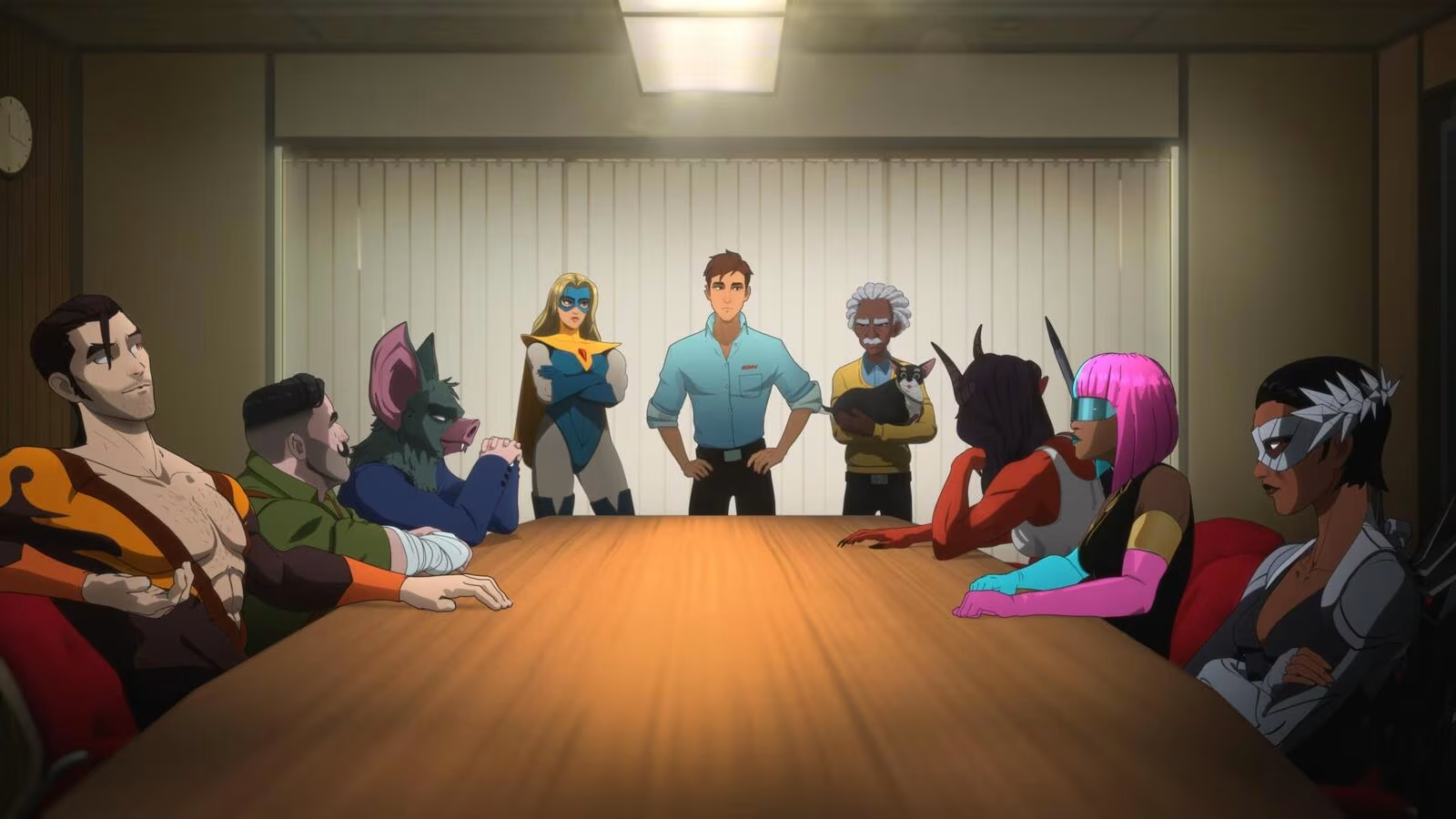
Dispatch’s genius lies in its tone. Its humour is sharp without becoming frivolous; its satire about superhero tropes is incisive without ever undermining genuine emotional beats. The characters are not archetypes — they’re colleagues you’ll want to argue with, protect, romance, or awkwardly ignore depending on your choices. The kind of people you end up defending in one scene and chewing out the next. The game’s writing leans on its cast with confidence, and rarely does an episode feel like filler.
And what a cast it is. Breaking Bad’s Aaron Paul nails the world-weary but determined Robertson in yet another showcase of his voice-acting prowess, after the superb BoJack Horseman. Erin Yvette is a staple from the Telltale world, imbuing Blonde Blazer with the exact balance of authority and vulnerability needed for that character’s position. Laura Bailey, incredible as Abby in TLOU2, is equally brilliant as the wildcard villain-turned-hero Invisigal. Jeffrey Wright brings heart and a lot of doggy affection to the retired speedster Chase. A number of Critical Role players — including Matt Mercer and Travis Willingham — flesh out the ensemble admirably, fitting given the game was developed in close collaboration with that scene. Content creators like Alanah Pearce and Sean McLoughlin round out the cast with surprising confidence. Even Dwayne Jonhson’s cousin and stunt double Tanoai Reed has a major part, delivered effortlessly. I cannot name a single weak link. It’s that consistently sharp.
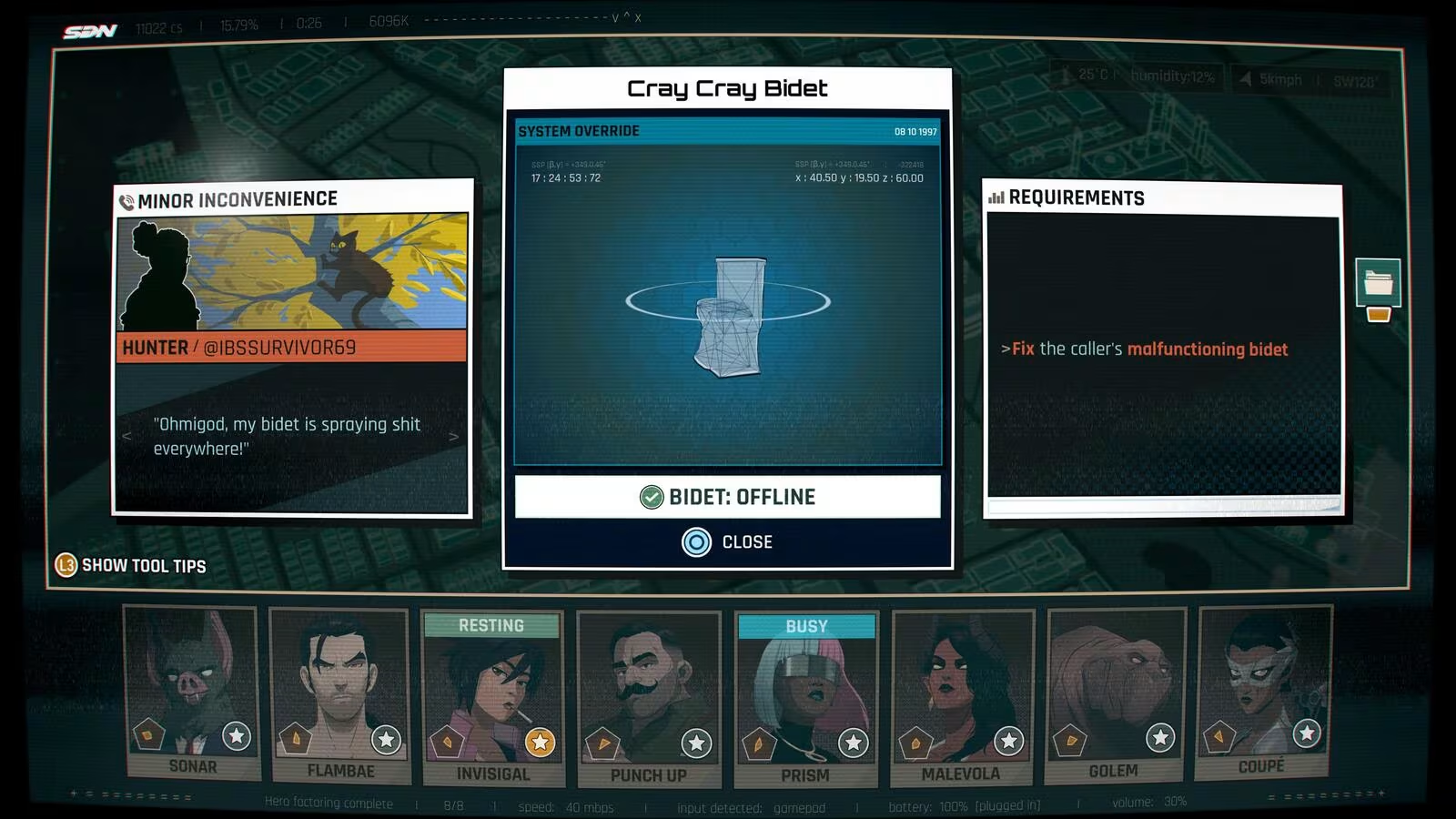
Mechanically, the core gameplay revolves around branching choices, tactical call assignments, and reading situations where information is always incomplete. It wears its influences — especially from classic Telltale Games — proudly, and improves on them with a greater variety of interactive beats. You’re weighing urgency against capacity, balancing team fatigue, and feeling the squeeze when three emergencies all want attention right now (and you only trust two people to handle them). The tension is not loud, it’s thoughtful, and the pacing in these episodes is exceptional.
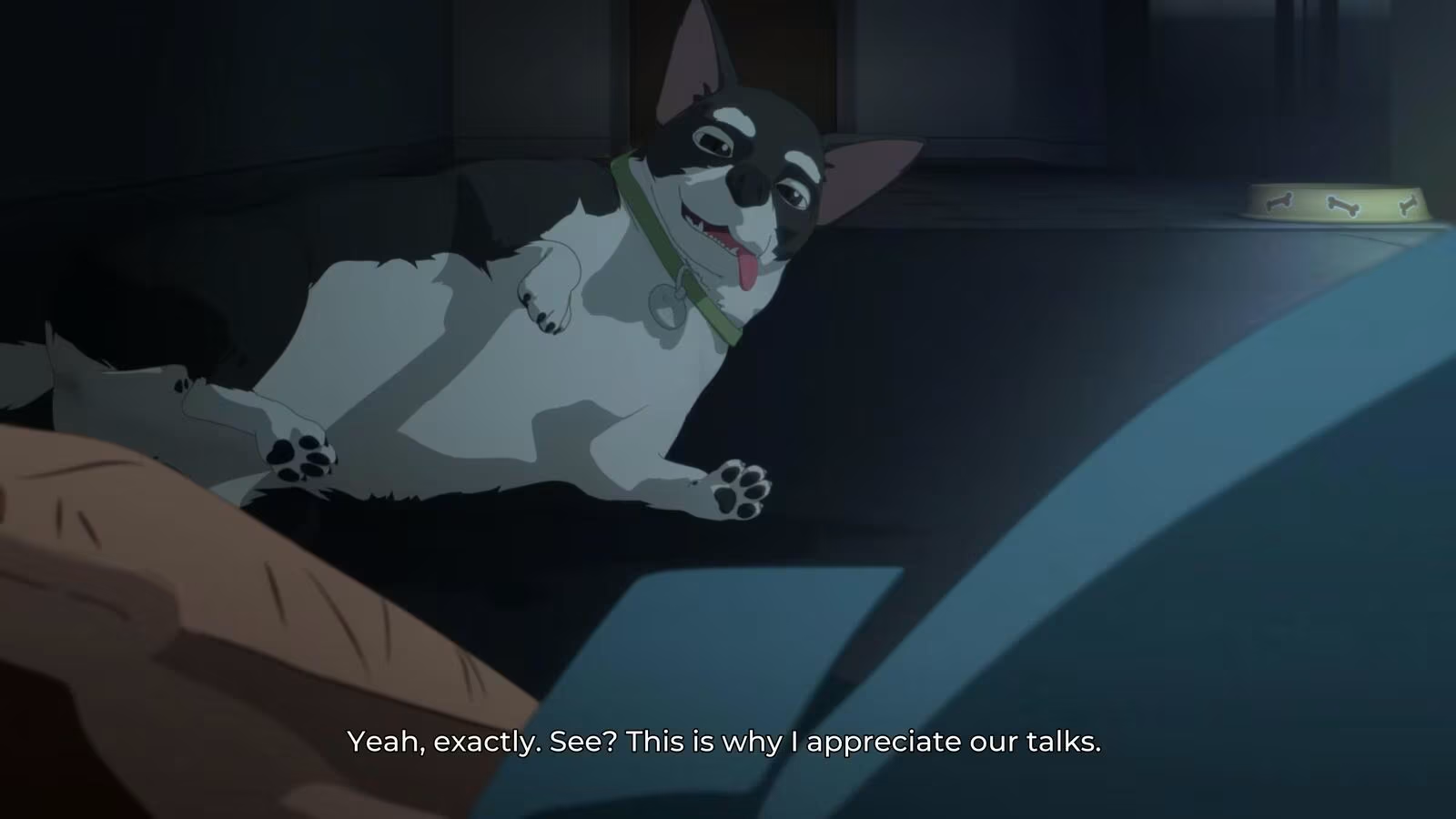
Conversations crackle with personality, and the droll absurdity of paperwork mixed with peril often lands better than more bombastic action scenes in other, larger titles. It is also unashamedly foul-mouthed. If Invincible were a playable game, Dispatch would be it — but the action sequences, dialogue and overall aesthetic easily stand alongside Amazon’s brilliant adult animation. Lines like “Don’t you got some dementia to onset?” — hurled at an elderly Chase without a shred of tact — give you a clear sense of how far Dispatch is willing to go for a laugh, while “We joke. We laugh. We repress our trauma.” offers a snapshot of the script’s black humour. Because like the best superhero stories, Dispatch isn’t about superpowers. It’s about the people who wield them, and their reason for doing so.
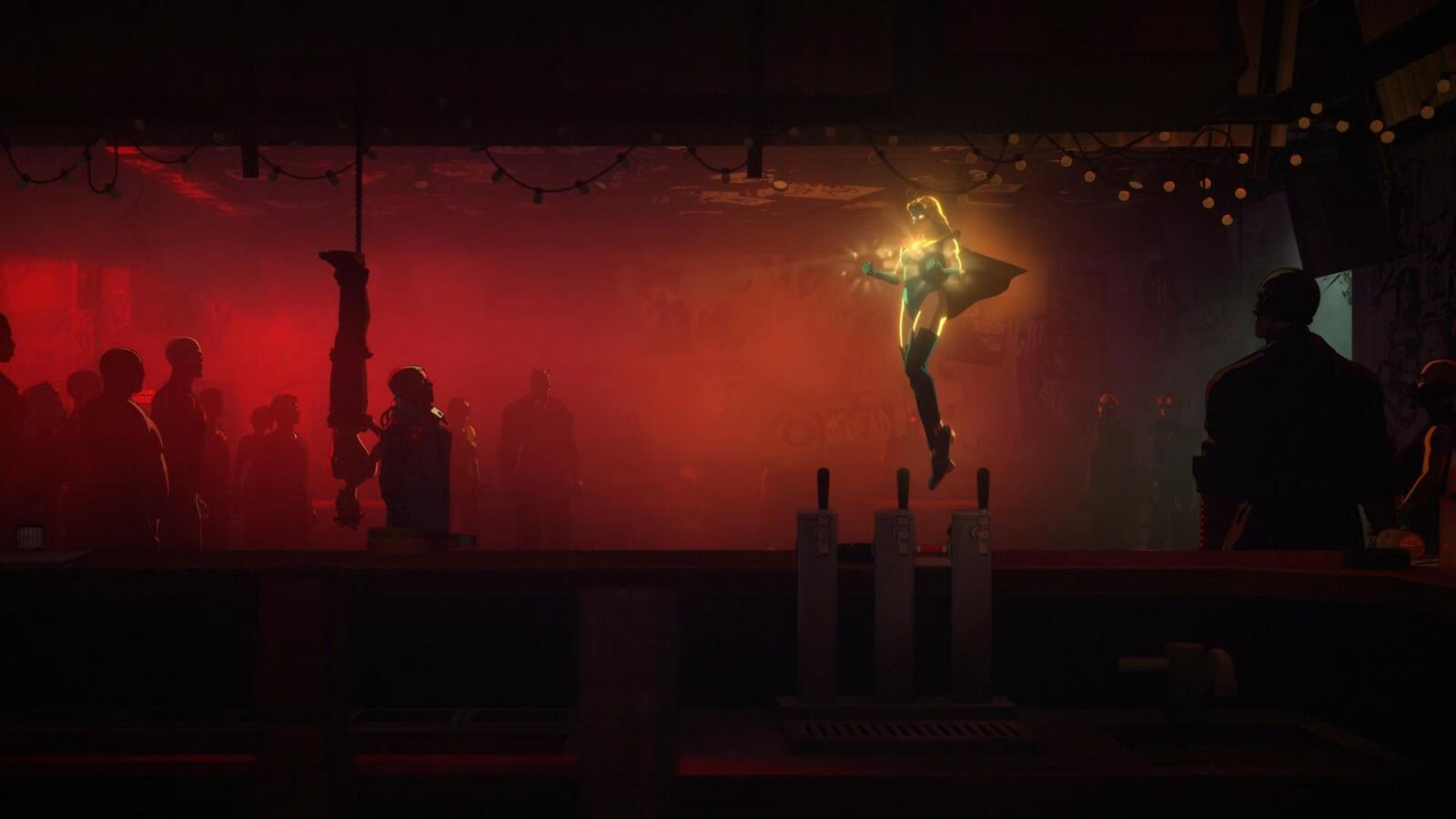
It is funny, but not flippant. It is dramatic, but never overwrought. It never mistakes noise for depth or interactivity for meaning — and in a genre where the best games are often about meaningful narrative engagement, that distinction matters. Episodes are rarely long — around an hour — but each runs deep, leaving moments that stick with you long after you press the PS button and return to the home screen. A fight at a villain dive bar. A karaoke night at Robertson’s squalid flat. Numerous staggering battle sequences. The entire package feels like prestige TV you play, rather than a game you watch.
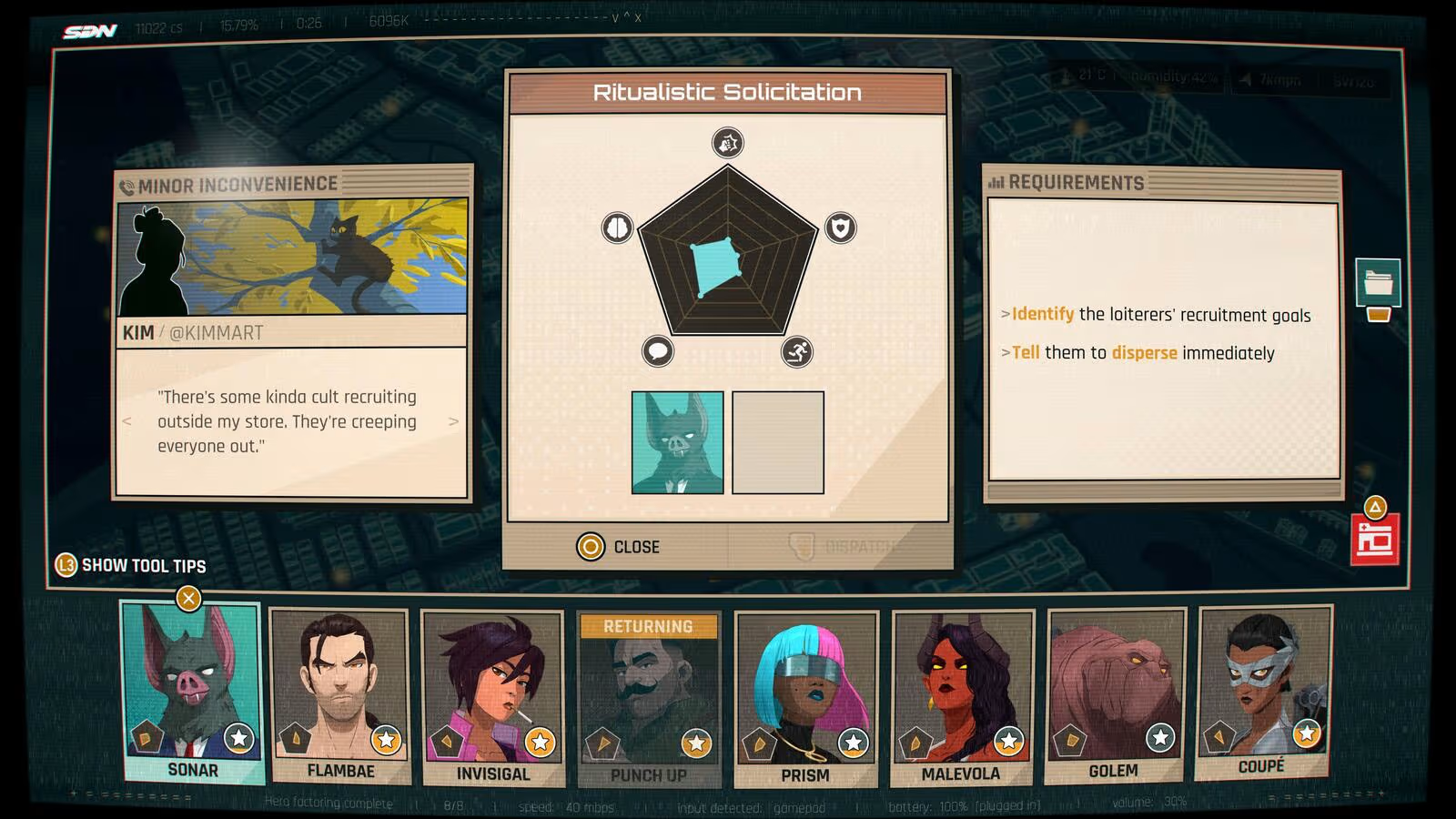
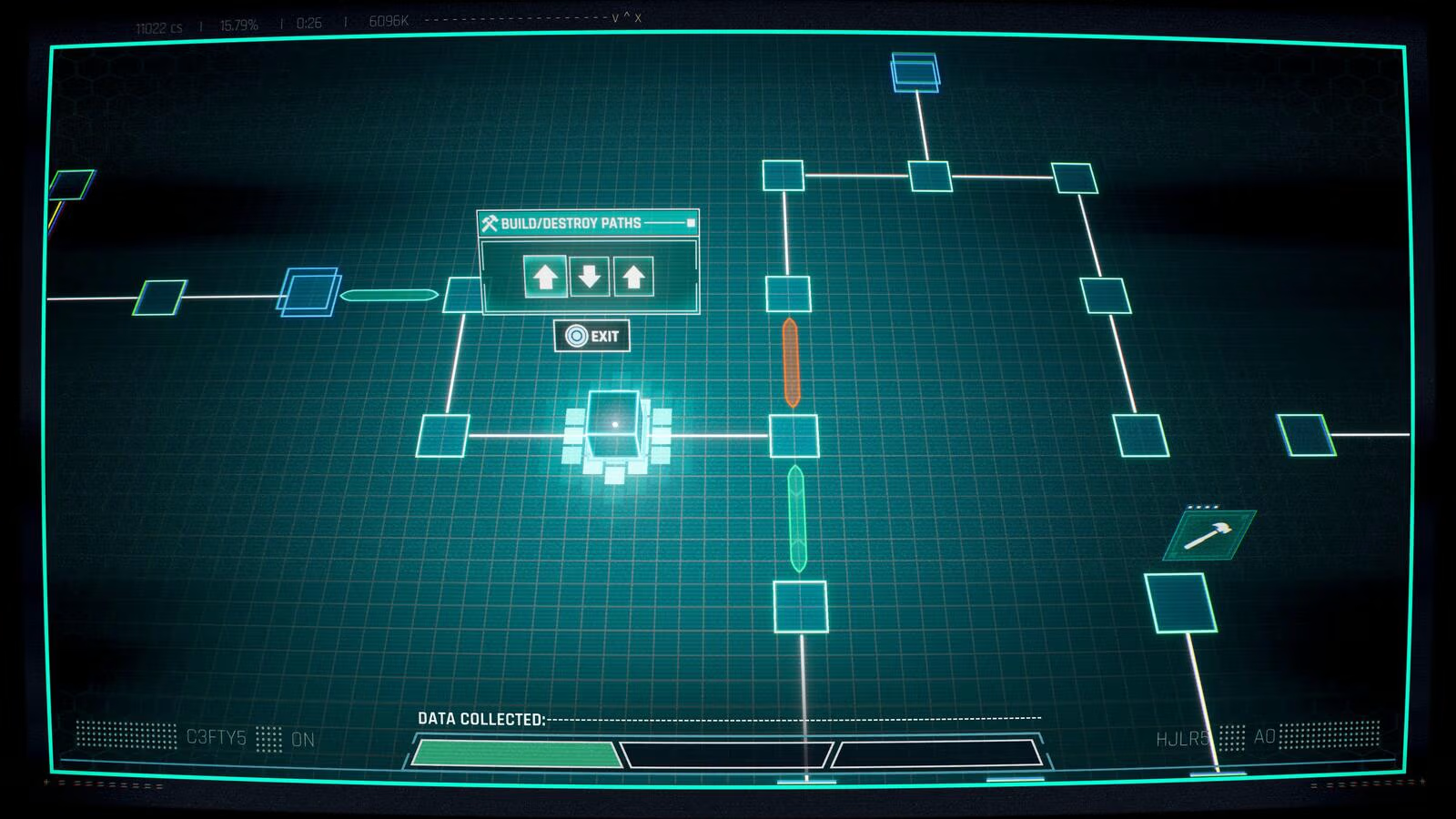
If there’s a weak point, it’s that a handful of mechanics are simpler than you might expect from an otherwise rich narrative machine. The actual dispatching has enough going on to keep you engaged, but repetition does start to grate in the final couple of episodes. You can upgrade your heroes and unlock powers to help you keep the city safe, but it isn't long before you've unpicked the fundamentals lying beneath keywords such as "Reason" and "Escort" to game the system to pick the right people for each dispatch. Hacking mini-games provide a bit of variety, but they aren't particularly challenging. The game also fumbles with quick time events; they serve little to no purpose other than to offer you the chance to interact in certain fight scenes, presumably to make you feel more involved. However, I only experienced them in three episodes, and they had the opposite effect of taking me out of the action, when all I wanted to do was watch the incredible animation. It feels like the development team couldn’t decide whether to include them or not, and the implementation is clunky at best. Fortunately, you have the option of disabling them in the settings so you can enjoy a more cinematic experience, and this is something I’m very grateful for.
But otherwise, as a complete package, Dispatch feels like a show that knows exactly what it’s doing from pilot to finale. Each of the eight episodes has a distinct thematic focus — a PR disaster here, a hostage situation there, a flashback-heavy character deep dive in the middle stretch — and each one ends on a note that makes it very hard not to immediately boot up the next. On PS5, loading is near‑instant and the game remembers your key decisions cleanly, and crucially, the choices matter in ways that aren’t just colour‑swapped dialogue. There are multiple endings that genuinely reflect your approach: I received arguably the “worst” ending, and yet I didn’t feel let down. Looking back, I could see where my decisions might have resulted in that outcome, but the game is subtle enough not to draw attention to them in the moment. Rather, they were organic and cumulative, and felt totally fair.
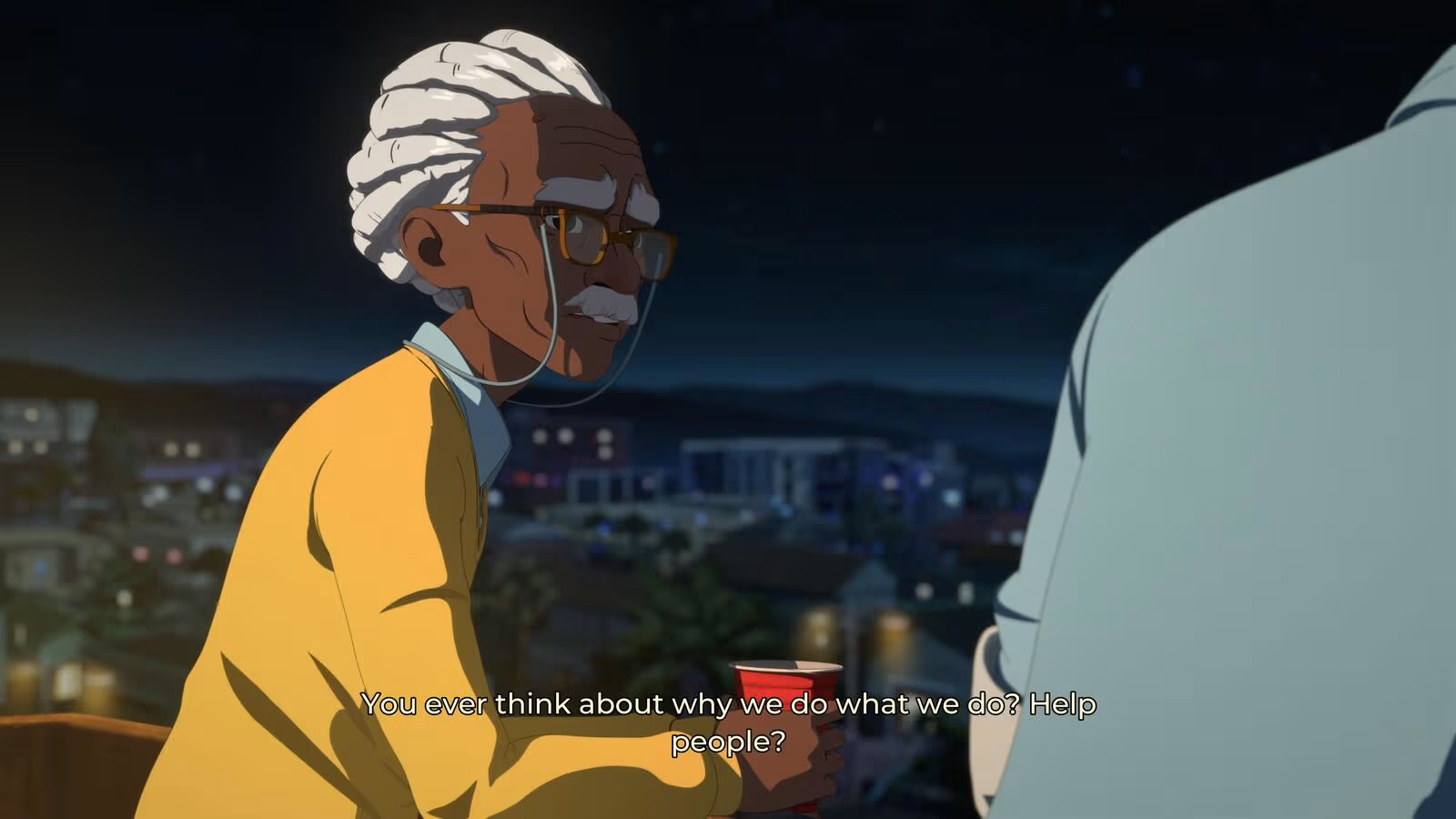
By the season’s end, it’s clear that Dispatch is more than a superhero workplace comedy — it’s a grounded commentary on heroism, identity, and the invisible emotional labour behind every crisis averted or mishandled. It’s deliciously dark, unapologetically crude, and brilliantly cast, and it asks not how many villains you can punch, but how many humans you can genuinely understand, support, or disappoint. That nuance — wrapped in humour, heart, and sharp writing — is rare.
You can subscribe to Jump Chat Roll on your favourite podcast players including:
Let us know in the comments if you enjoyed this podcast, and if there are any topics you'd like to hear us tackle in future episodes!